The Book of Signs and the Book of Glory: belief, the bread of life, the vine, and the prayer that the disciples be one.
“…that all might believe through him.”
The Baptist's whole witness is ordered to faith: salvation begins with a testimony received.
“To all who received him, who believed in his name, he gave power to become children of God.”
Believing and receiving are one act; its fruit is divine filiation, not a change of opinion.
“…and his disciples believed in him.”
The first sign is given to evoke faith — glory is seen only by those who believe.
“…that whoever believes in him may have eternal life.”
As the bronze serpent was looked upon, the lifted-up Son is looked upon in faith.
“…whoever believes in him should not perish but have eternal life.”
The gift of the only Son is received by faith — the verse states its own condition.
“He who believes in him is not condemned.”
Judgment is already settled for the believer; it is unbelief that condemns.
“He who believes in the Son has eternal life.”
Present possession, not merely a future hope.
“…we know that this is indeed the Saviour of the world.”
Faith moves from hearsay to knowledge; the Samaritans name him Saviour of the world.
“He who hears my word and believes him who sent me has eternal life… he has passed from death to life.”
Faith is an exodus already accomplished in the believer.
“…you refuse to come to me that you may have life.”
Life is in coming to him; refusal, not lack, is the cause of death.
“This is the work of God, that you believe in him whom he has sent.”
Faith is itself the work God requires — and God's gift.
“He who comes to me shall not hunger, and he who believes in me shall never thirst.”
Coming and believing are one motion of the soul toward the Word.
“…every one who sees the Son and believes in him should have eternal life, and I will raise him up at the last day.”
Faith carries a promise that reaches the resurrection of the body.
“Truly, truly, I say to you, he who believes has eternal life.”
The strongest form of the Lord's oath attaches life to faith.
“Lord, to whom shall we go? You have the words of eternal life; and we have believed…”
Peter's confession: the words themselves are life, and faith is the only place to stand.
“…unless you believe that I am he, you will die in your sins.”
The negative form of the same truth: unbelief leaves sin unforgiven.
“Do you believe in the Son of man? … Lord, I believe.”
The man born blind is brought from sight to faith — the Gospel's pattern of illumination.
“…you do not believe, because you do not belong to my sheep.”
In John, unbelief is not neutral: it reveals whose one already is.
“He who believes in me, though he die, yet shall live; and whoever lives and believes in me shall never die.”
Faith is joined to the resurrection of Lazarus's sister and to the Lord's own resurrection.
“Did I not tell you that if you would believe you would see the glory of God?”
Belief is the condition for seeing glory, not its reward only.
“While you have the light, believe in the light, that you may become sons of light.”
Faith is a decision made while the light is present — it can be made too late.
“He who believes in me, believes not in me but in him who sent me.”
Faith in Christ is faith in the Father; there is no private devotion to Christ alone.
“I have come as light into the world, that whoever believes in me may not remain in darkness.”
Salvation is described as leaving darkness — a movement, not a status held in place.
“Believe in God, believe also in me.”
Christ sets himself beside the Father as the object of faith.
“I am the way, and the truth, and the life; no one comes to the Father, but by me.”
The way is a person: coming to the Father is inseparable from believing the Son.
“Believe me that I am in the Father and the Father in me.”
Faith must reach the mystery of the indwelling union, not stop at wonder.
“He who believes in me will also do the works that I do.”
True faith is fruitful: it produces the works of Christ in the believer.
“…of sin, because they do not believe in me.”
The Spirit's first conviction is unbelief — the root sin beneath the others.
“…the Father himself loves you, because you have loved me and have believed that I came from the Father.”
Believing and loving Christ together draw the Father's love.
“…they have believed that thou didst send me.”
In the high-priestly prayer, faith is the mark of those given to the Son.
“…those who believe in me through their word, that they may all be one.”
Faith comes through the apostolic word, and its purpose is unity.
“Blessed are those who have not seen and yet believe.”
A beatitude pronounced over every later believer, including us.
“…that you may believe… and that believing you may have life in his name.”
The Gospel states its own purpose: faith in the written sign, and life in his name.
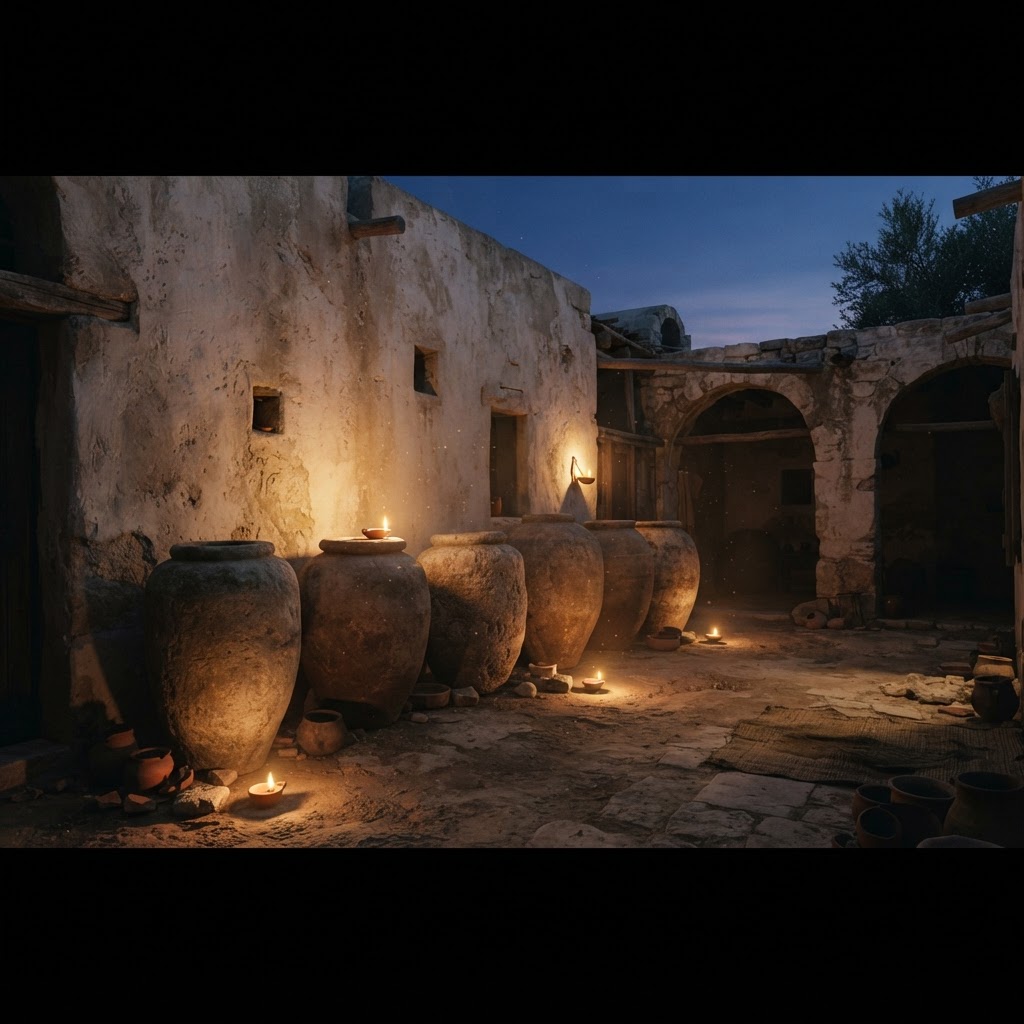
“Do whatever he tells you.”
At Cana the servants' obedience comes before the sign; Mary's last recorded words are a command to obey.
“He who does what is true comes to the light.”
Salvation is described as walking toward the light by doing the truth.
“He who does not obey the Son shall not see life; the wrath of God rests upon him.”
The same verse that promises life to faith names unbelief as disobedience.
“My food is to do the will of him who sent me, and to accomplish his work.”
The Son's own obedience is the pattern of the life he gives.
“…those who have done good, to the resurrection of life.”
The Lord himself joins the resurrection of life to deeds done in the body.
“I have come down from heaven, not to do my own will, but the will of him who sent me.”
The Bread of Life is himself obedient bread — given, not seized.
“If any man's will is to do his will, he shall know whether the teaching is from God.”
Obedience is the organ of discernment: the willing heart comes to know.
“I always do what is pleasing to him.”
The Father is never absent from the Son because the Son never leaves his will.
“He who is of God hears the words of God.”
Hearing is a moral act: it reveals whose child one is.
“If any one keeps my word, he will never see death.”
Keeping the word is set in parallel with believing it — the same promise, the same life.
“…if any one is a worshipper of God and does his will, God listens to him.”
Even the blind beggar names obedience as the ground of being heard.
“…he calls his own sheep by name… and the sheep follow him, for they know his voice.”
Discipleship is described as following a voice — concrete, daily obedience.
“…they will heed my voice.”
The one flock is defined by hearing the one shepherd.
“He who loves his life loses it, and he who hates his life in this world will keep it for eternal life.”
Salvation runs through self-denial; the life we cling to is the life we lose.
“If any one serves me, he must follow me; and where I am, there shall my servant be also.”
Service and following are one word-pair; the servant's reward is the Master's company.
“…if any one hears my sayings and does not keep them… the word that I have spoken will judge him at the last day.”
The word is not only a gift but a standard by which we are judged.
“…blessed are you if you do them.”
The foot-washing is a command, and beatitude is attached to doing it.
“He who receives any one whom I send receives me.”
Receiving the apostolic mission is receiving Christ himself — obedience has a sacramental weight.
“A new commandment I give to you, that you love one another… By this all men will know.”
Love is commanded, not merely admired; it is the visible mark of belonging to him.
“If you love me, you will keep my commandments.”
Love is tested by command-keeping — the sentence that governs the whole farewell discourse.
“He who has my commandments and keeps them, he it is who loves me… and I will manifest myself to him.”
Obedience becomes the condition of further revelation: the Lord shows himself to the obedient.
“If a man loves me, he will keep my word, and my Father will love him, and we will come to him and make our home with him.”
Keeping the word is the door through which the Father and the Son come to dwell.
“…I do as the Father has commanded me.”
Even the passion is presented as obedience — the obedience that saves.
“If you keep my commandments, you will abide in my love.”
Commandment-keeping is the way remaining in love is kept, not earned.
“You are my friends if you do what I command you.”
Friendship with Christ is not sentiment but a shared will.
“…I appointed you that you should go and bear fruit and that your fruit should abide.”
Election has a purpose: fruit that lasts.
“…they have kept thy word.”
In the high-priestly prayer, the disciples are described by their keeping.
“…Feed my lambs… Tend my sheep… Feed my sheep.”
Peter's love is proved three times over by a charge to be obeyed.
“…him who comes to me I will not cast out.”
The perseverance of the believer rests first on the Lord's refusal to discard.
“…that I should lose nothing of all that he has given me, but raise it up at the last day.”
The Good Shepherd's fidelity is the ground of ours.
“I am the light of the world; he who follows me will not walk in darkness.”
The promise is to the one who follows — a continuous, walking fidelity.
“If you continue in my word, you are truly my disciples… and the truth will make you free.”
Discipleship is verified by continuing; the freedom comes to those who stay.
“My sheep hear my voice… and they follow me; and I give them eternal life, and they shall never perish.”
Following and never perishing are held in one sentence.
“…no one is able to snatch them out of the Father's hand.”
The security of the sheep is the strength of the hand that holds them.
“…another Counsellor, to be with you for ever, even the Spirit of truth.”
Fidelity is sustained by a permanent indwelling — the Spirit is given 'for ever'.
“I will not leave you desolate; I will come to you.”
The promise against abandonment is the heart of Johannine perseverance.
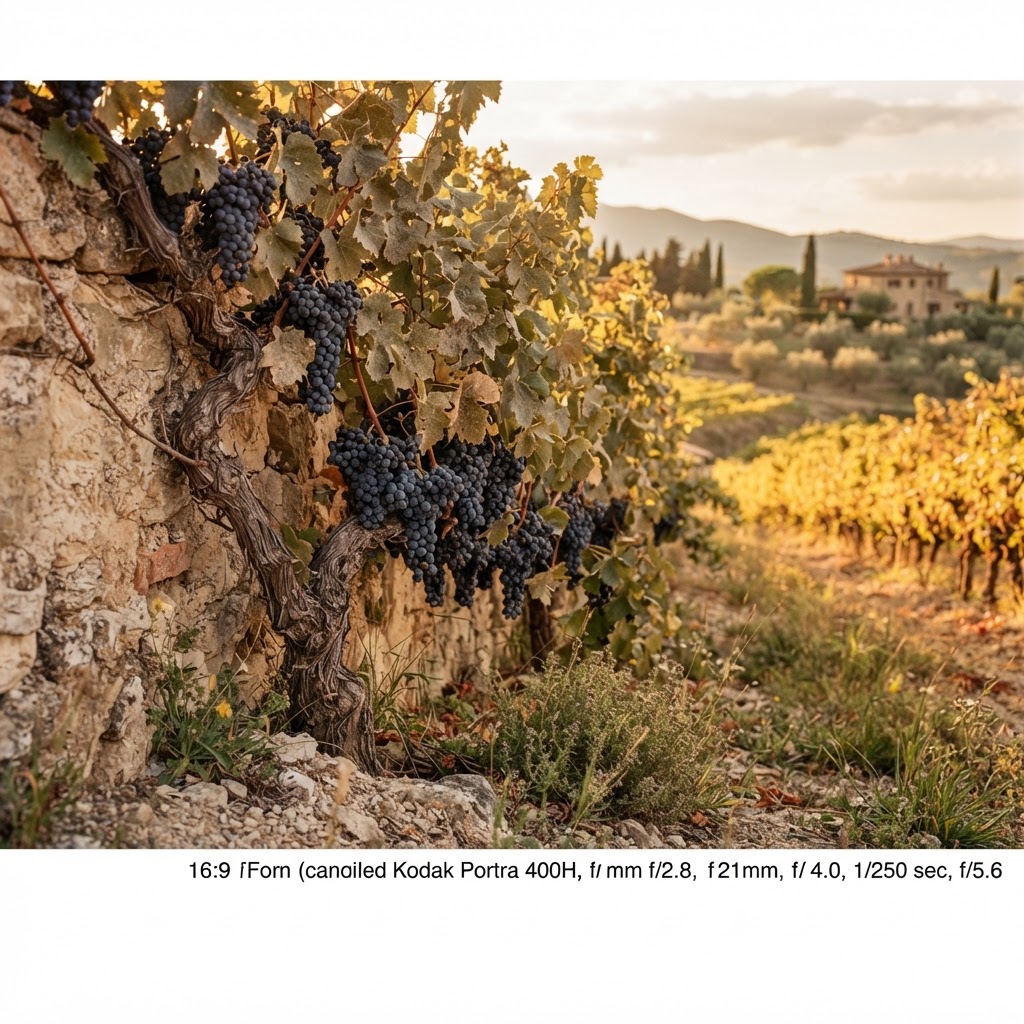
“I am the true vine… every branch that does bear fruit he prunes.”
Fruitfulness is produced by pruning — the Father's patient work on the branch.
“Abide in me, and I in you. As the branch cannot bear fruit by itself, unless it abides in the vine, neither can you, unless you abide in me.”
The vine image makes remaining the whole condition of life.
“He who abides in me, and I in him, he it is that bears much fruit, for apart from me you can do nothing.”
Nothing — not merely little — apart from him.
“If a man does not abide in me, he is cast forth like a branch and withers.”
John states the negative with equal clarity: not remaining ends in being cast out.
“If you abide in me, and my words abide in you, ask whatever you will, and it shall be done for you.”
Mutual abiding is the ground of prayer that is heard.
“By this my Father is glorified, that you bear much fruit, and so prove to be my disciples.”
Discipleship is proved, not merely professed.
“As the Father has loved me, so have I loved you; abide in my love.”
The command is to remain inside a love already given.
“I have said all this to you to keep you from falling away.”
The farewell discourse is pastoral protection against apostasy.
“In the world you have tribulation; but be of good cheer, I have overcome the world.”
Perseverance is possible because the victory is already his.
“Holy Father, keep them in thy name… I have kept them… not one of them has been lost.”
Keeping is first the Lord's work, then the disciple's calling.
“…that thou shouldst keep them from the evil one.”
Fidelity is a prayer before it is a resolution.
“…who were born, not of blood nor of the will of the flesh… but of God.”
The life of salvation is a birth from God — a new origin, not an improvement.
“…from his fulness have we all received, grace upon grace.”
The Word made flesh is a fulness from which believers draw by receiving.
“Behold, the Lamb of God, who takes away the sin of the world.”
The first title John gives Jesus is sacrificial — the Lamb whose flesh will be given.
“…he on whom you see the Spirit descend… this is he who baptizes with the Holy Spirit.”
Salvation is administered through the Spirit he pours out.
“…unless one is born anew, he cannot see the kingdom of God.”
Entrance into the kingdom is a regeneration, not a decision alone.
“…unless one is born of water and the Spirit, he cannot enter the kingdom of God.”
Water and Spirit name the sacrament of the new birth from the earliest layer of the Gospel.
“…if you knew the gift of God… he would have given you living water.”
Salvation is first a gift offered, then a thirst answered.
“…whoever drinks of the water that I shall give him will never thirst… a spring of water welling up to eternal life.”
The image is drinking — interior reception becoming a source in the receiver.
“Do not labour for the food which perishes, but for the food which endures to eternal life.”
The Bread of Life discourse opens by naming a food that endures.
“My Father gives you the true bread from heaven… the bread of God… gives life to the world.”
The gift is the Father's, the bread is a person, and its effect is life.
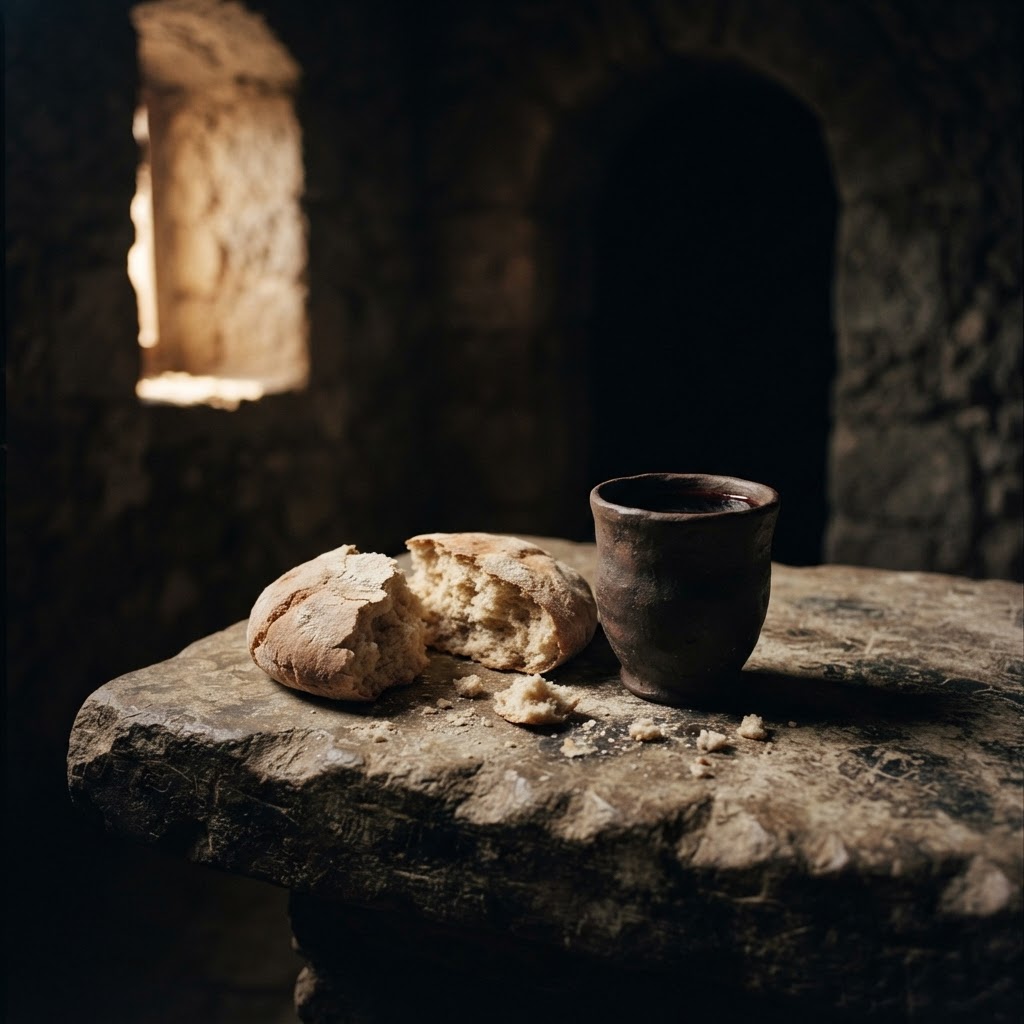
“I am the bread of life… the bread which I shall give for the life of the world is my flesh.”
The discourse moves from bread as teaching to bread as flesh given.
“…unless you eat the flesh of the Son of man and drink his blood, you have no life in you.”
A conditional as absolute as John 3:5 — no eating, no life.
“He who eats my flesh and drinks my blood has eternal life, and I will raise him up at the last day.”
Communion carries both present life and future resurrection.
“…he who eats my flesh and drinks my blood abides in me, and I in him.”
Eucharistic eating is defined by the same verb of remaining used of the vine.
“…he who eats me will live because of me.”
The life of the communicant is the life of the Son, received.
“…he who eats this bread will live for ever.”
The promise of the discourse is repeated four times — John will not let it be softened.
“It is the spirit that gives life, the flesh is of no avail.”
The eating is real and sacramental, and its power is the Spirit, not cannibalism.
“If any one thirst, let him come to me and drink… rivers of living water.”
John explains the water as the Spirit, given to those who come and drink.
“I came that they may have life, and have it abundantly.”
The purpose of the Incarnation is stated as abundance of life.
“I am the good shepherd. The good shepherd lays down his life for the sheep.”
The shepherd's gift of himself is the pattern of the food he gives.
“I am the resurrection and the life.”
Not a promise about a future event only: the resurrection is a person standing in front of Martha.
“Unless a grain of wheat falls into the earth and dies, it remains alone; but if it dies, it bears much fruit.”
The fruit of salvation comes from the seed of his death — and from ours.
“If I do not wash you, you have no part in me.”
Partnership with Christ is given through a washing that only he can perform.
“…that where I am you may be also.”
The destination of salvation is his own company.
“…I am in my Father, and you in me, and I in you.”
John's salvation is mutual indwelling — the mystery drawn in the centre of the circle.
“…that he may give eternal life to all whom thou hast given him.”
Eternal life is a gift given by the Son — not a possession seized.
“This is eternal life, that they know thee the only true God, and Jesus Christ whom thou hast sent.”
Eternal life is defined as knowledge of God — the knowing of communion, not information.
“…I desire that they also… may be with me where I am, to behold my glory.”
The final hope is presence and vision.
“…that the love with which thou hast loved me may be in them, and I in them.”
The prayer ends inside the believer: the indwelling love is the goal of the whole Gospel.
“…at once there came out blood and water.”
The Evangelist records what the Church has always read as the sacramental life flowing from his side.
“Receive the Holy Spirit. If you forgive the sins of any, they are forgiven.”
The risen Christ breathes the Spirit and hands over the ministry of reconciliation.