
"Receive the Holy Spirit. If you forgive the sins of any, they are forgiven; if you retain the sins of any, they are retained." — John 20:22-23
Repentance & Reconciliation.
The door of metanoia. To humble the will before God — to surrender it daily to His Divine Will — is the first and most decisive act of the Christian life.
Surrender the will. Confess the sin. Receive the mercy. Repair the damage. Be reconfigured to Christ.
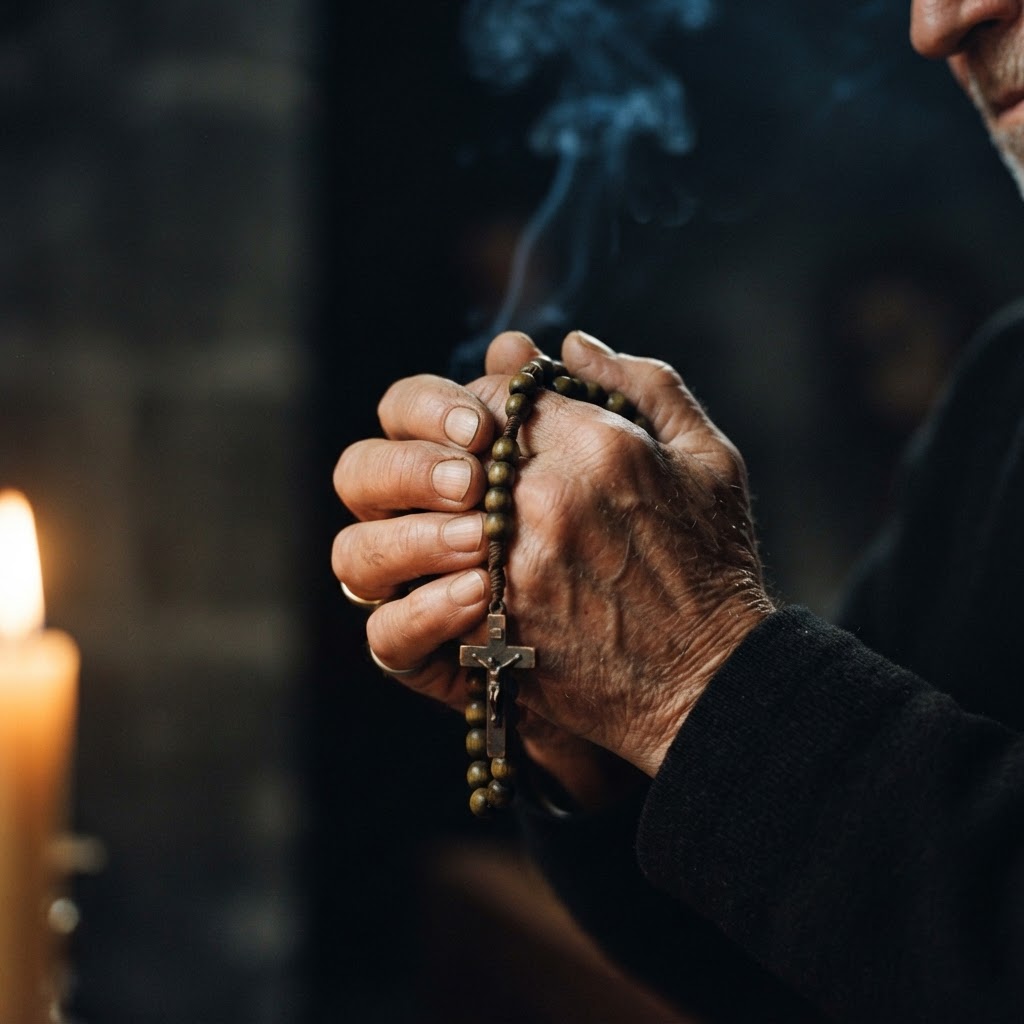
A broken and contrite heart, O God, You will not despise.
Psalm 51:17
Pillar I · Be Humble
What Repentance Means
Repentance — metanoia — is not a single act of sorrow but the orientation of the entire life toward God. It is the humbling of the will: the daily decision to lay down the sovereignty of the self and to entrust the ruling of one's life to the Divine Will. Everything else in the spiritual life flows from this.
"Be Humble" is not a mood but a discipline: the surrender of the soul to God in every season — taking nothing for granted, grateful for all that God gives, provides, and takes away. The humble soul has stopped negotiating with God and started obeying Him.
Reconciliation completes what repentance begins. Christ did not leave us to forgive ourselves; He gave the Church the sacrament of Penance, the ordinary means by which grave sin is absolved and the soul is restored to communion. To confess is an act of profound humility — the admission that I cannot heal myself.
This pillar is the gate. You cannot put on the armour of God while still clinging to the sin the armour must defend against. You cannot walk in the Spirit while still resisting the Lordship of the Spirit. Repentance is the cleared ground on which every other pillar is built.
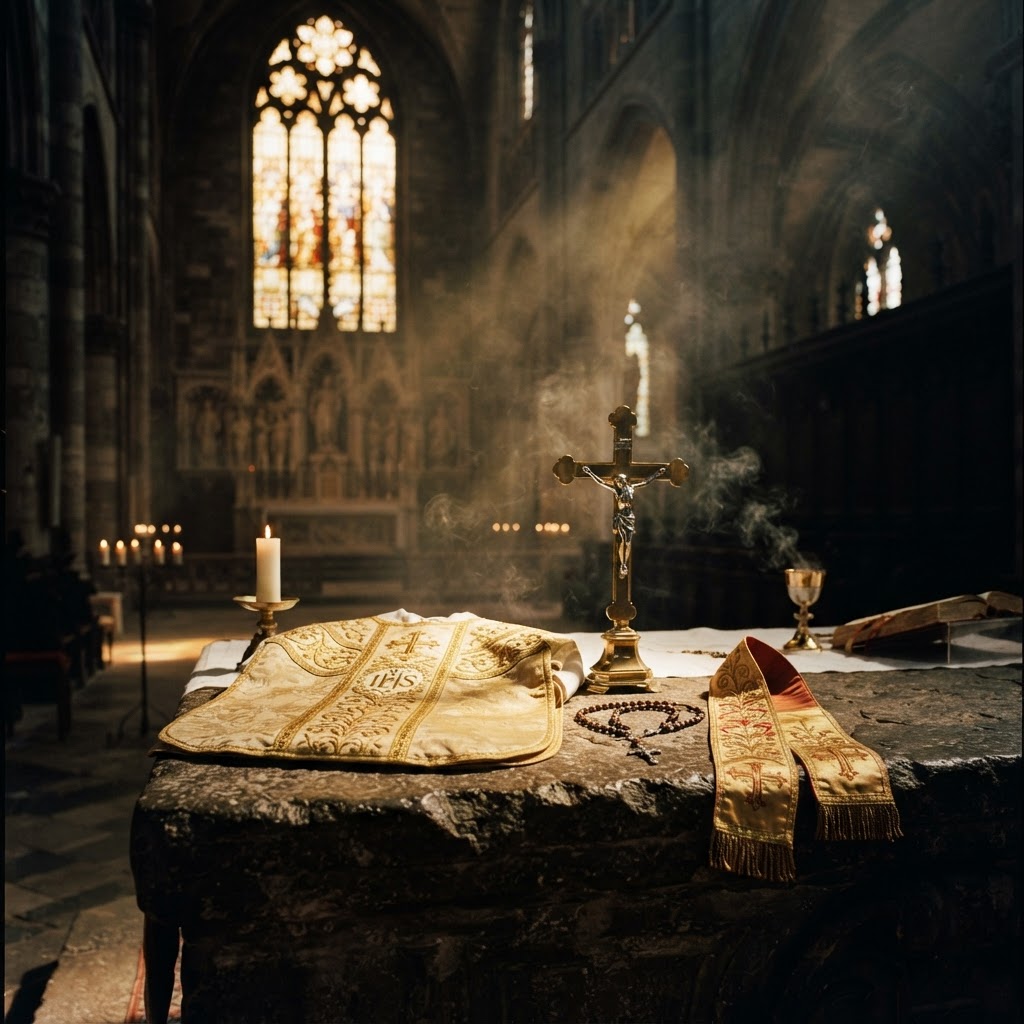
Repent, for the kingdom of heaven is at hand.
Matthew 4:17
The Crisis of Our Age
Why Repentance Matters Now
We live in a therapeutic age that has largely dissolved the category of sin. Guilt is reframed as low self-esteem; vice is rebranded as identity; confession is replaced by self-affirmation. The result is a generation of Catholics who have never been taught how to grieve their own sin — and so have never learned the joy of mercy.
Meanwhile, a Church uneasy with judgment has often muted the first word of the Gospel. But the awkward truth the apostolate is named for — metanoia — is judgment in service of mercy: the surgeon's diagnosis before the healing.
Repentance is also the front line against the enemy. The devil's foothold is legal — the "ground" sin hands him. Confession revokes that ground. This is why exorcists have long taught a truth the wider Church has forgotten: the sacrament of Reconciliation often does more than the rite of deliverance, because repentance removes the enemy's right of access.
The path forward is not louder moralising — it is quieter conversion. A Catholic who has learned to repent has learned to receive. And a Church that has learned to repent is a Church ready for renewal.
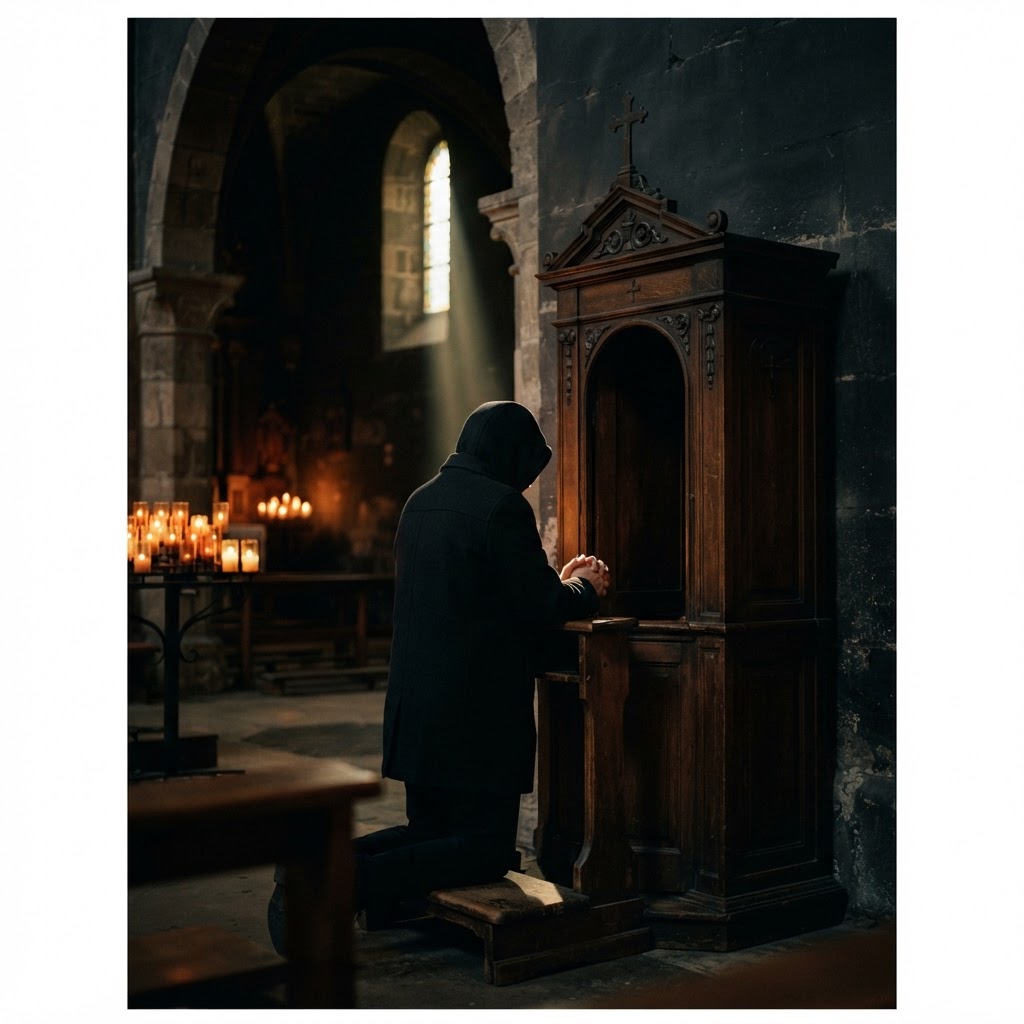
I will arise and go to my Father.
Luke 15:18
What the Church Teaches
The Doctrinal Foundation
The First Step of Metanoia
Conversion is a lifelong demand, not a one-time event. Christ's call to repent is the door to the whole Christian life — preached at the very beginning of His ministry.
Interior Conversion
True repentance is of the heart — a radical reorientation of the whole life toward God. Not merely outward gestures, but the inmost surrender of the will.
The Sacrament of Penance
Christ gave His apostles the power to forgive sins in His name. Confession is not optional devotion — it is the ordinary means Christ established for the forgiveness of grave sin.
Contrition & Satisfaction
Perfect contrition out of love; imperfect out of fear — both open the door. Penance repairs, restitution restores, and the soul is reconfigured to Christ.
The Father Runs
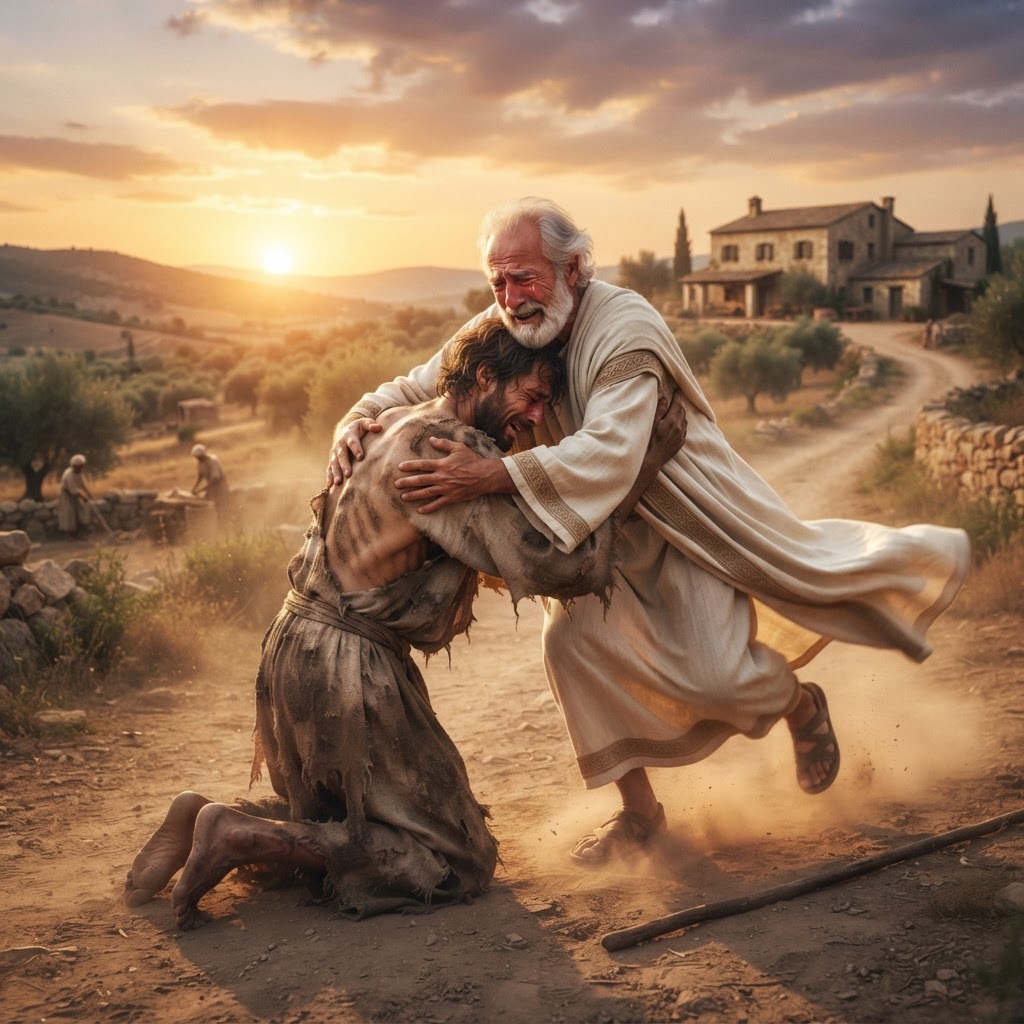
The prodigal is met before he arrives. The Father's mercy is not earned — it is received by the one humble enough to come home.
"A broken and contrite heart You will not despise."Psalm 51:17
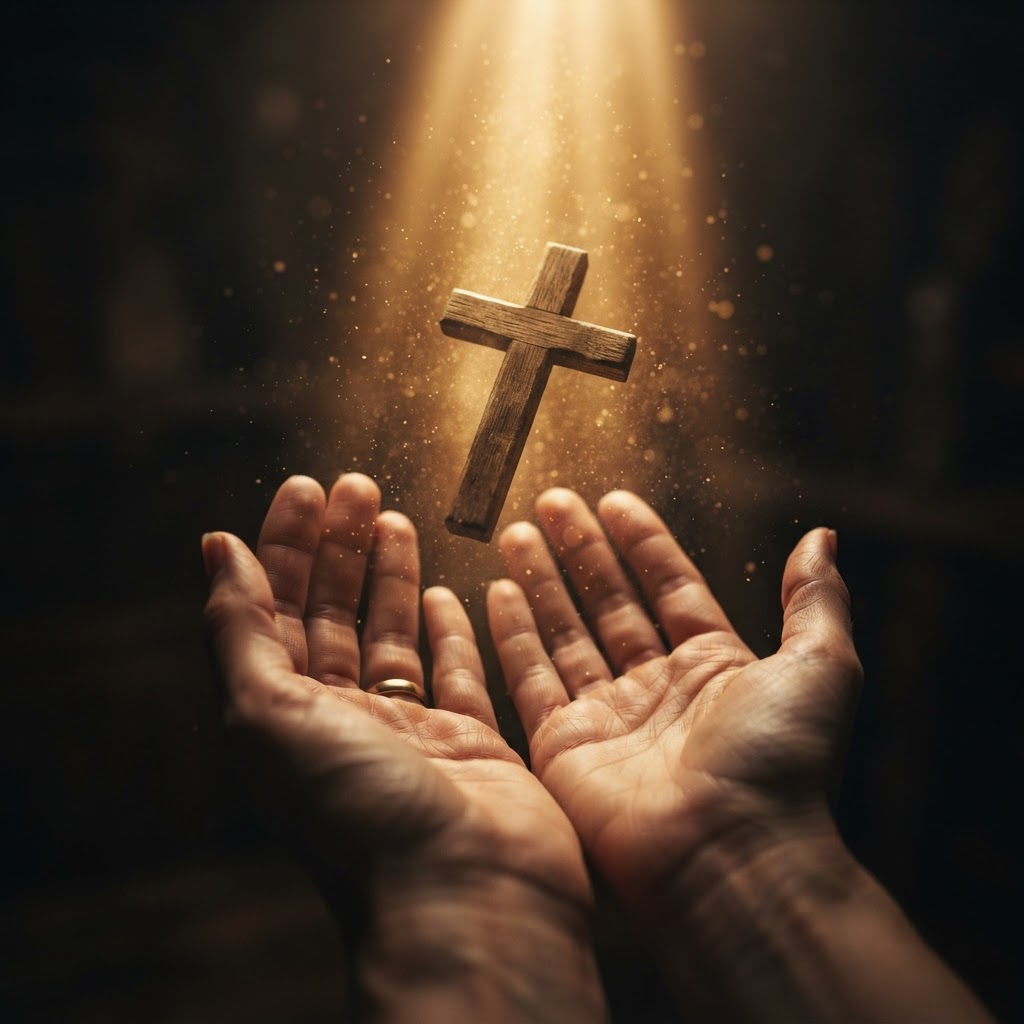
Not My will, but Yours, be done.
Luke 22:42
Formation Path · Be Humble
How to Live This Pillar
Five concrete disciplines that turn repentance from an idea into the daily shape of the life.
Daily Surrender of the Will
Each morning: 'Not my will, but Yours.' Repentance begins by laying down the sovereignty of the self before the sovereignty of God.
Examination of Conscience
A nightly, honest reckoning. Not guilt, but clarity — naming where the day turned from Christ, and turning it back.
Frequent Confession
The sacrament revokes the enemy's legal ground. For grave sin it is necessary; for daily dispositions it is the school of humility.
Restitution & Repair
Where sin has wounded another, repentance is completed in restitution. Love demands that the damage done be, wherever possible, mended.
Penance & Mortification
Voluntary penance trains the will in obedience. Fasting, alms, and sacrifice keep the flesh submitted to the spirit — the soil of humility kept soft.
The Father ran and fell on his neck and kissed him.
Luke 15:20
Daily Reflection · Be Humble
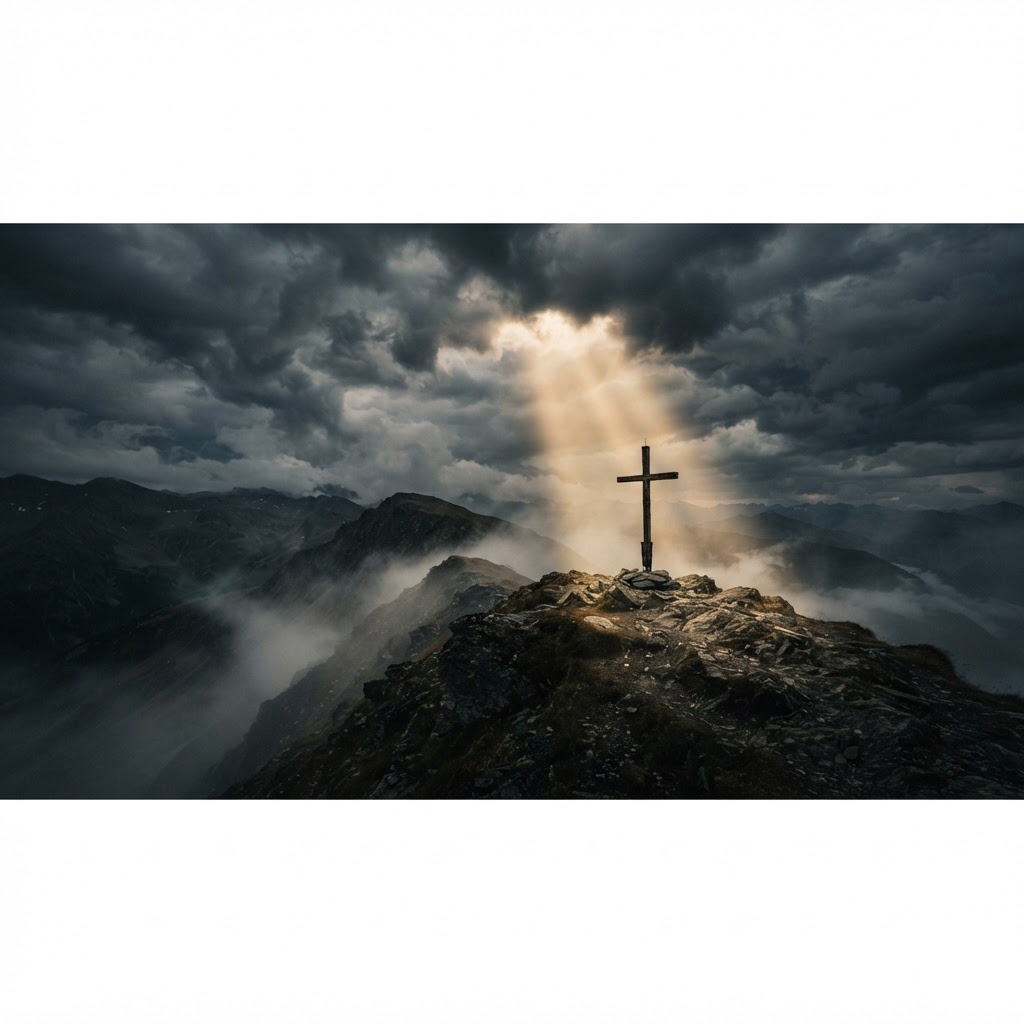
"If anyone would come after Me, let him deny himself, take up his cross daily, and follow Me."
Luke 9:23
The merciful Father is already running toward you — but He cannot embrace a fist still clenched around your pride. Open the hand. Surrender the will. Confess the sin. Receive the mercy. This is the first breath of metanoia, and it is offered new every morning.
Walk in This Pillar
Surrender the Will
Repentance is not a feeling to wait for — it is a decision to make, daily, before the throne of mercy. Go to Confession. Make the examination. Repair what you have broken. The cleared ground you prepare here is the ground every other pillar will be built upon.