
"Therefore, since we are surrounded by so great a cloud of witnesses, let us run with endurance the race set before us." — Hebrews 12:1
The Cloud of Witnesses.
They are alive in Christ and united with us. They have run the race, received their prize, and dwell in the presence of the Most High — and from there they intercede, they give their charisms, and they show us the way.
We do not walk alone. The saints who finished the course now draw alongside us who still run it — one Body, one race, one prize, in Christ.
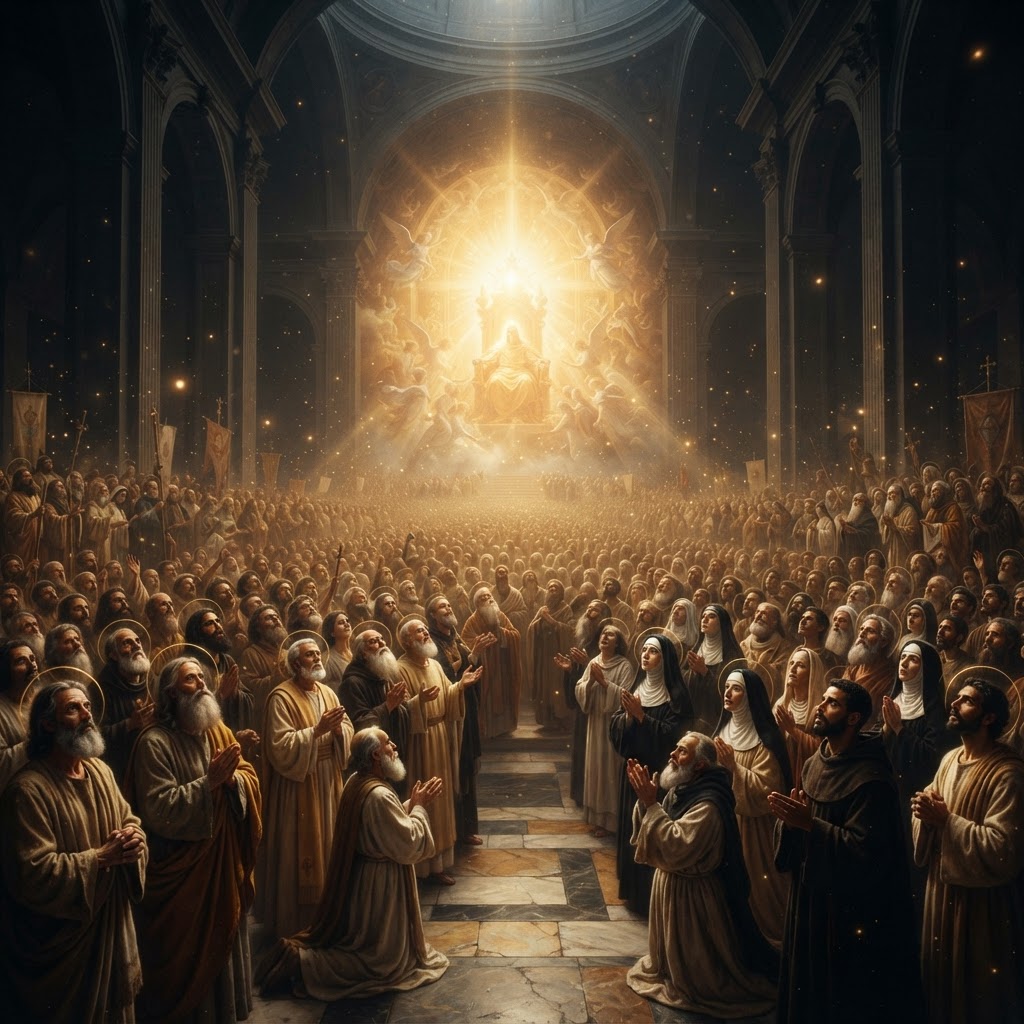
After this I looked, and behold, a great multitude… standing before the throne and before the Lamb.
Revelation 7:9
The Pinnacle of Prophetic Witness
The Blessed Virgin Mary — Theotokos, the Lead Voice
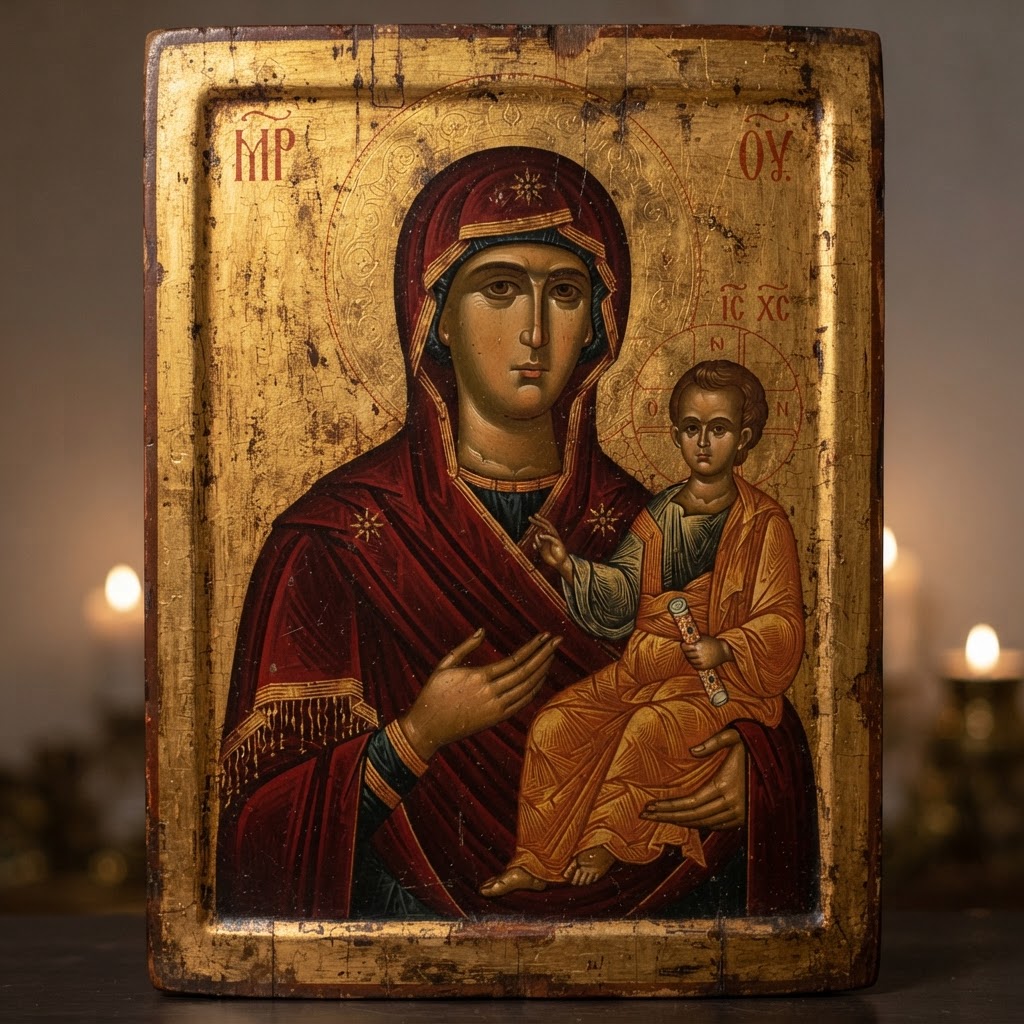
Theotokos · Queen of Prophets · Ark of the New Covenant
The New Eve · Mother of the Church · Spouse of the Holy Spirit
Before any prophet raised his voice, a young woman in Nazareth said one word — fiat — and the Word became flesh. The Blessed Virgin Mary is the first and greatest of the prophetic saints, not by office but by totality. She did not merely speak a prophecy; she carried it in her womb.
She is humble — the handmaid who magnified the Lord rather than herself. She is grateful — her Magnificat is the purest song of gratitude ever spoken on earth. She is faithful — keeping every word of God from the Annunciation to Calvary and beyond. She is the embodied answer to everything Be Humble. Be Grateful. Be Faithful. proclaims.
And she is prophetic. In the Magnificat she foretells the overthrow of the proud and the lifting of the lowly — a prophecy still unfolding across history. In Revelation 12 the Ark of the Covenant appears, and immediately the Woman clothed with the sun, crowned with twelve stars, opposed by the dragon — Mary, revealed as the Ark who carried the true Bread of Heaven, the true Word of God, the true High Priest.
"He has looked with favour on the lowliness of his servant. Surely, from now on all generations will call me blessed."Luke 1:48 · The Magnificat
Her Calling
Her Prophetic Mission
The Magnificat — Her Prophetic Voice
Mary is the first prophet of the New Testament. In her Magnificat (Luke 1:46–55) she proclaims that God casts down the mighty, lifts up the lowly, fills the hungry with good things, and sends the rich away empty — a prophecy still unfolding in our age.
The Ark of the New Covenant
Revelation 11:19–12:1 reveals the Ark of the Covenant in heaven, and immediately the Woman clothed with the sun. Mary is the living Ark — she carried within her the true Bread from heaven, the true High Priest, the true Word inscribed by God.
Spouse of the Holy Spirit
At the Annunciation the Spirit overshadowed her as He once overshadowed the Ark. She is the model of every charismatic life — fully surrendered, fully docile, fully filled, and therefore fully prophetic.
Mother of the Church and of Every Metanoia
At the Cross Christ gave her to the beloved disciple — and to us. Every conversion, every return home, passes through her maternal intercession, as at Cana she set in motion Christ's first sign.
The New Eve and Undoer of the Fall
Where the first Eve's disobedience opened the wound, Mary's fiat began the healing. Her humble 'Let it be' is the seed of every metanoia — the soul turning back to God.
The Eschatological Woman for This Hour
Revelation 12 shows her in travail, opposed by the dragon, triumphant at the end. She is the sign raised over the pilgrim Church in her final confrontation with the powers of darkness.
Her Doctrine
Her Message to the Church of This Hour
Humility Is the Place of Encounter
Her greatness was her lowliness. She does not seize glory — she receives it, and immediately attributes it to God. Metanoia begins where self-exaltation ends.
Gratitude Is the Heartbeat of Holiness
Her whole life was Magnificat — 'my soul magnifies the Lord.' Gratitude was not a feeling she had but an identity she carried, in joy and at the foot of the Cross alike.
Faithfulness Is Trust to the End
She said 'Do whatever He tells you' and never revoked it. Her faithfulness did not break at Calvary. She proves that fidelity can hold when everything visible has failed.
She Is the Enemy of the Dragon
The dragon makes war on her offspring. She is not a passive image but an active commander in the cosmic battle — our shield and our banner against the ancient enemy.
Walk in Her Footsteps
How to Follow Her Example
Pray the Magnificat
Make her prophecy your own. Each day, lift her words: 'My soul magnifies the Lord.' Let gratitude redefine your entire inner life.
Pray the Rosary
The rosary is her school. In it you walk with her through the mysteries of Christ's life and learn from her how to keep and ponder everything in your heart.
Imitate Her Fiat
Where the Father asks something of you, answer 'Let it be to me according to your word.' Surrender is not loss — it is the door Mary opened for grace to enter the world.
Stand at the Cross
Mary did not flee Calvary. Stay with Christ in suffering — your own and others'. Begin your formation in compassion by standing where she stood.
Entrust the Hour to Her
We live in the hour of Revelation 12. Consecrate your life, your family, and your work to her — she is the Woman God raised up for this battle.
Become Humble, Grateful, Faithful
She is the embodied answer to the whole framework. Go and do likewise — let her shape the tone of everything this pillar teaches.
Prayer for Intercession
Hail, Holy Queen, Mother of Mercy, our life, our sweetness, and our hope. To thee do we cry, poor banished children of Eve. Turn then, most gracious Advocate, thine eyes of mercy toward us, and after this our exile show unto us the blessed fruit of thy womb, Jesus. O clement, O loving, O sweet Virgin Mary.Prophetic Issues
The Second Voice · Be Faithful
St. Catherine of Siena — Doctor & Reformer
If Mary is the prophetic soul, Catherine is the prophetic voice. A laywoman who rebuked popes and cardinals, called the Church back from corruption, and dictated one of the greatest mystical works in Christian history — all before her death at thirty-three.
The Saint
Who She Is
Catherine Benincasa was born in Siena, Italy, in 1347 — the twenty-fourth of twenty-five children — into a world devastated by the Black Death, fractured by political violence, and scandalized by the exile of the papacy to Avignon. She never attended school. She taught herself to read as an adult. She died in Rome at thirty-three, having never held an office in the Church, having never been ordained, and having never been formally educated in theology.
And yet she is a Doctor of the Church — one of only four women to hold that title. Her Dialogue of Divine Providence, dictated to secretaries during states of mystical ecstasy, remains a towering work of Christian spirituality. Her hundreds of surviving letters, written to kings, queens, popes, and cardinals, are among the most extraordinary documents of prophetic courage in Church history. She negotiated peace between warring city-states, cared personally for plague victims, and convinced Pope Gregory XI to end the Avignon papacy and return to Rome — through the sheer force of her sanctity and her letters.
Catherine is the model for every Catholic who has felt called to speak truth into a corrupt institution — not from outside the Church, not in anger or rebellion, but from within her, in love, at great personal cost, with unshakeable fidelity to Christ.
Born: 1347, Siena, Italy · Died: 1380, Rome · Canonised: 1461 · Named Doctor of the Church: 1970 · Co-Patron of Europe and Italy
Her Calling
Her Prophetic Mission
- To call the Church back to her first loveCatherine lived through a period of spectacular ecclesiastical corruption — simony, nepotism, clerical cowardice, and the moral collapse of high-ranking clergy. Her mission was not to leave the Church but to love her back to health — speaking with the clarity of a mother and the boldness of a prophet.
- To restore the papacy to Rome and to courageThe papacy had resided in Avignon, France, for nearly seventy years — a source of enormous scandal and political compromise. Catherine wrote to Pope Gregory XI with extraordinary directness, addressing him as "Babbo" (father) while calling him to end his cowardice and return to Rome. He did.
- To model the mystical life as lived theologyCatherine's ecstatic prayer life was not a private retreat from the world — it was the source from which her extraordinary public action flowed. Her Dialogue reveals a theology of the soul's union with God that shaped Western mysticism for centuries.
- To care for the poor, sick, and condemnedWhile reforming the Church from the top, Catherine simultaneously nursed plague victims personally, accompanied condemned prisoners to their executions, and ministered in the hospitals of Siena. Her prophetic voice was inseparable from her charitable action.
- To model holy boldness for ordinary CatholicsCatherine had no institutional power whatsoever. She was a laywoman, a tertiary of the Dominican order, formally uneducated. Yet she addressed the most powerful figures in Christendom with complete conviction. Her life permanently dismantles the excuse that ordinary Catholics have no voice.
Her Era
The Crisis of Her Time
The fourteenth century was, by almost any measure, one of the most catastrophic in European history. The Black Death (1347–1351) killed between one-third and one-half of Europe's population. Political violence was endemic. The Church — which should have been the stable centre in the catastrophe — was itself in profound crisis: the papacy exiled in Avignon under French political domination, the clergy demoralised or corrupt, the faithful scandalised and bewildered.
The institutional failures of the Church in Catherine's time were not minor administrative problems. They were a full-scale collapse of moral credibility at the highest levels. Bishops and cardinals enriched themselves. The papacy pursued political alliances over spiritual mission. Priests fled the dying during the plague rather than accompanying them. The Church that Christ had founded to be a sign of contradiction to the world had, in many of its visible representatives, become a mirror of that world.
Catherine's response was neither to leave the Church nor to lose hope in her. She identified the Church with Christ — the head was divine even when the members were corrupt — and she attacked the corruption with loving, prophetic fury. Her letters to clergy are masterpieces of fraternal correction: devastatingly honest, utterly without malice, entirely motivated by love.
Her Doctrine
Her Message to the Church
Holy Cowardice Is the Root of Corruption
Catherine's most repeated charge against corrupt clergy was not greed or lust but cowardice — the fear of human opinion that prevents a priest or bishop from speaking the truth. She called it 'the pestilence of holy cowardice' and identified it as the primary cause of the Church's suffering.
The Soul Is Made for Union With God
The Dialogue teaches that the soul's entire purpose is transforming union with the Trinity — through self-knowledge, humility, prayer, and charity. The mystical life is not a luxury for specialists; it is the destination for which every baptised person was created.
Truth Must Be Spoken With Love, Not Flattery
Catherine thundered against those who told the powerful only what they wanted to hear — what she called 'sellers of sweet words.' The duty of fraternal correction is not optional in the Christian life. Silence in the face of error, she taught, is a form of complicity.
Love of God and Love of Neighbour Are One
Catherine insisted that no one can claim to love God while remaining indifferent to human suffering. Her theology was incarnational through and through: the encounter with Christ in the poor, the sick, and the condemned is as real as the encounter in prayer — and the two cannot be separated.
The Church Is the Bride of Christ, Not a Political Institution
For all her willingness to attack institutional corruption, Catherine never identified the Church with its failures. She distinguished always between the Church as the Body of Christ — holy, indefectible, beloved — and the human beings within her who betray their calling.
Conversion Begins With Self-Knowledge
The opening of the Dialogue places self-knowledge — honest, unflinching awareness of one's own sinfulness and God's goodness — as the foundation of all spiritual progress. You cannot encounter God in truth while living in illusion about yourself.
"Nothing great is ever achieved without much enduring."
Catherine of Siena, Letters
Her Relevance
Why This Saint Matters Now
The Church of the twenty-first century faces crises that are structurally similar to those Catherine confronted: the collapse of institutional credibility, the silence of leaders in the face of moral catastrophe, the temptation of the faithful to either despair or leave. The secular world is watching and drawing its own conclusions. Many Catholics have drawn theirs and departed.
Catherine's answer to this moment is not strategic communications or institutional reform, though those have their place. Her answer is holiness — the kind that is rooted in mystical union with God, expressed through direct and loving truth-telling, and demonstrated through concrete service to the poor and suffering. This kind of holiness cannot be manufactured by committees. It can only be received in prayer and embodied in a life.
In an age when the loudest Catholic voices are often the angriest, and when institutional loyalty is mistaken for faithfulness, Catherine models something rarer: a love for the Church that is fierce enough to tell her the truth. That combination — deep love and prophetic courage — is what this hour demands.
Practical Holiness
How to Walk in Her Footsteps
Cultivate a Contemplative Prayer Life
Catherine's public courage flowed entirely from her private prayer. Begin or deepen a daily contemplative prayer practice — silent prayer before the Blessed Sacrament, Lectio Divina, or mental prayer. Without this root, prophetic courage cannot sustain itself.
Read the Dialogue
Catherine's Dialogue of Divine Providence is one of the great spiritual classics of the Western Church. It is demanding but transformative. Even reading twenty minutes a day over several months will reshape your understanding of God, the soul, and the Church.
Practice Fraternal Correction
Identify one relationship in your life — family, parish, workplace — where truth needs to be spoken in love. Not in anger, not publicly, not as a campaign, but in the quiet, direct, charitable manner Catherine modelled. Begin there.
Serve the Poor and Sick Personally
Find a form of personal service — not just donation, but physical presence — to those who are suffering. Catherine nursed the dying personally. The prophetic voice is only credible when it is accompanied by charitable action.
Refuse Holy Cowardice
Examine where you are silent out of fear of human opinion — in your family, at work, in your parish. Ask the Holy Spirit to give you the courage that Catherine had: to speak the truth without malice, without calculation, without self-protection.
Love the Church Fiercely
Catherine's criticism of the Church was inseparable from her love of the Church. Ask God to give you the same combination — a love for the Bride of Christ that is honest enough to grieve her failures and courageous enough to work for her renewal.
A Prayer Through the Intercession of Saint Catherine of Siena
Saint Catherine, you who rebuked kings and consoled the condemned, who contemplated the Trinity in rapture and nursed the dying in the streets — pray for us. Give us your holy boldness: to love the Church enough to tell her the truth, to love our neighbour enough to serve them personally, and to love God so deeply that fear of human opinion loses all its power. Doctor of the Church, pray for us. Amen.
Continue the Journey
Related Prophetic Saints
Joan of Arc
Virgin · Martyr · Soldier of God
Learn MoreThomas More
Martyr · Chancellor · Man for All Seasons
Learn MoreFrancis of Assisi
Deacon · Mystic · Reformer of the Church
Learn MoreTeresa of Ávila
Doctor of the Church · Mystic · Reformer
Learn MoreJohn Fisher
Bishop · Cardinal · Martyr
Learn MoreAll Prophetic Saints
The full Metanoia Faith gallery of prophetic witnesses
Learn MoreYour Calling
Become a Saint for This Hour
The Church has never needed saints with institutional power. She has needed saints with holiness — the kind that flows from prayer, is tested in suffering, is expressed in truth-telling, and is demonstrated in service. Catherine had none of the former and all of the latter.
You do not need to be educated, ordained, young, or powerful to do what Catherine did. You need to be in love with God — deeply, honestly, without reservation. Everything else follows from that. The world is waiting for people who have been with Jesus. That is what Catherine was. That is what this hour needs.
"If you are what you should be, you will set the whole world ablaze."
Catherine of Siena
From Mary to Catherine — and to You
Mary said Fiat, and grace entered the world. Catherine said "Be who God meant you to be," and the Church caught fire. The next prophetic voice is yours. Begin.
Pillar V · Be Faithful
What This Pillar Means
Death does not sever the Body of Christ. The saints who have gone before us are not a closed chapter — they are alive in Christ and united with us in one communion. They have run the race, finished it, and received the prize; they now dwell in the presence of the Most High, from which they reach back toward us in love. Holiness did not retire them from the Church; it enlisted them more deeply in her life.
This pillar is the entry into that communion. It teaches us to do everything the Church has always done with the saints: to invoke their intercession, to draw from their charisms, and to follow their example. These are not three pious customs but three living graces, poured from heaven into the present battle of the Church.
A prophetic saint is one who, in a particular age, spoke truth in the face of power, named what was broken, and refused to accommodate the spirit of the world. They were not spared the cost — exile, imprisonment, mystic suffering, martyrdom — and they paid it. Now, from the threshold of glory, they speak the same truth into our age, which faces the same enemies under new names: relativism, gender ideology, technocratic dehumanisation, ecclesial compromise.
This is why the saints are given for formation in crisis. When we face the confusions of our hour, the saints who faced analogous crises become our teachers, our advocates, and our models. We are not the first to fight these battles — and we are not left to fight them alone.
The Crisis of Our Age
Why This Matters Now
The contemporary Church suffers from what might be called "saint amnesia." Canonised saints are reduced to kitsch figurines, their biographies to sanitised children's stories, their prophetic words stripped of their bite and boldness. The result is a generation that knows the saints by name but not by fire — and a generation that has, accordingly, forgotten that it has friends in heaven.
Meanwhile, the world is desperate for models — for men and women who did not compromise, who loved in the face of hatred, told the truth in the face of power, endured suffering with supernatural peace, and died, often violently, with the name of God on their lips.
We are in an era that demands prophetic saints. The crisis is present; the need is immediate. And the pattern for the kind of person God needs in this hour has been drawn a thousand times over in the lives of those who have gone before us. They have already run the race we are running — and they stand now at the finish, beckoning.
The saints are not aspirational. They are attainable. The same grace that set Catherine of Siena on fire, that made Padre Pio a stigmatist, that gave John Paul II prophetic courage against empire — that grace is equally available to every baptised Catholic alive today. The saints say: you can. Come. We are already praying for you.
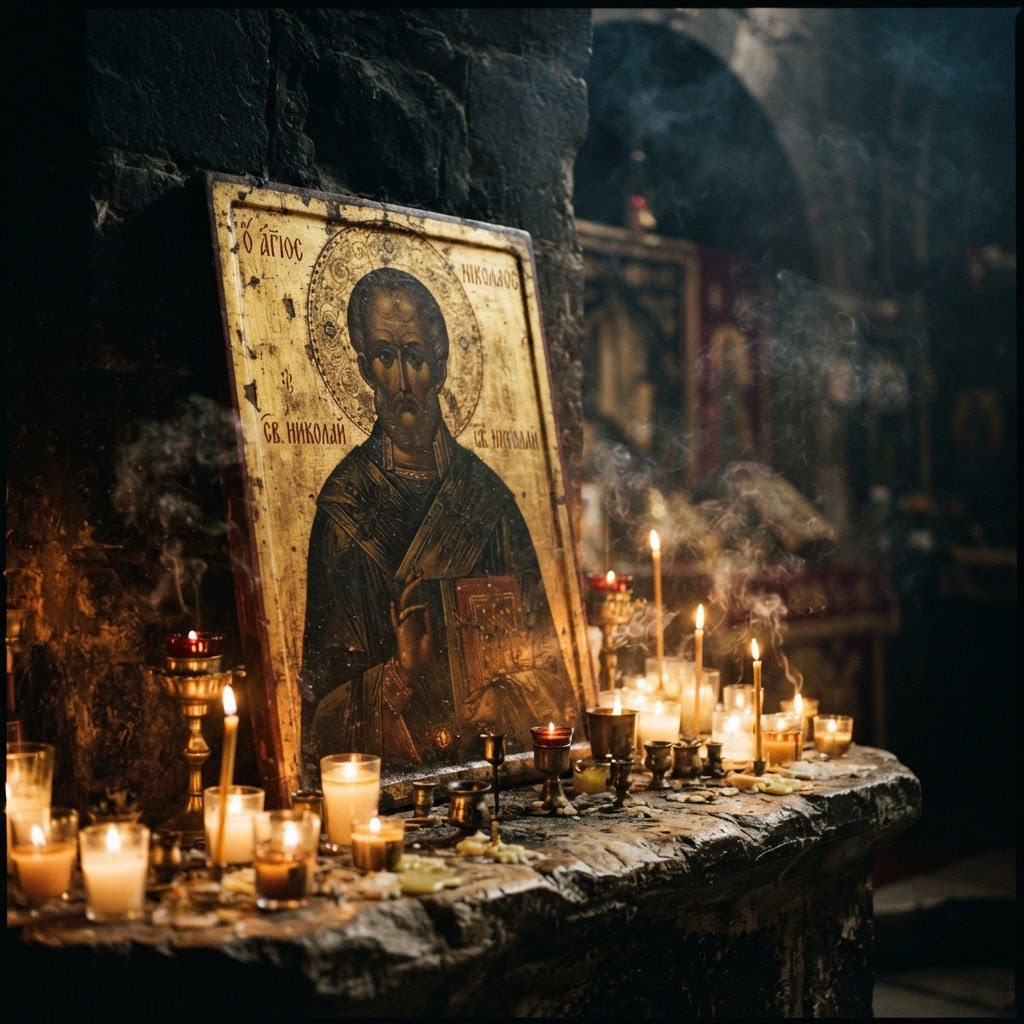
The saints intercede for us, because they see in God all the needs of those who ask their help.
St Thomas Aquinas · CCC 2683
Hebrews 12:1 · The Living Communion
The Threefold Grace of the Saints
From their place in the presence of the Most High, the saints give the Church three living graces. They are not relics of a finished age; they are active participants in our life now — interceding, sharing their charisms, and showing us the road they themselves walked to the end.
IRevelation 5:8 · CCC 956, 2683
Invoking Their Intercession
“Each of the elders held a golden bowl full of incense, which are the prayers of the saints.”
The saints are not memory. They are alive in Christ, standing before the Father, and they pray for us. The elders in heaven hold golden bowls of the prayers of the saints — our cries rise, and they carry them. To invoke a saint is not idolatry; it is the communion of the Body, asking a brother already before the throne to add his prayer to ours. “The prayer of a righteous man has great power” (Jas 5:16) — how much more the prayer of one made perfectly righteous in glory.
Daily Practice
Ask their intercession by name, and in your specific need. Build a friendship with a patron saint for this season of your life — pray their intercession daily, and trust that they hear you, because they are alive, and they love you.
 II
II1 Corinthians 12:4–7 · Heb 13:7
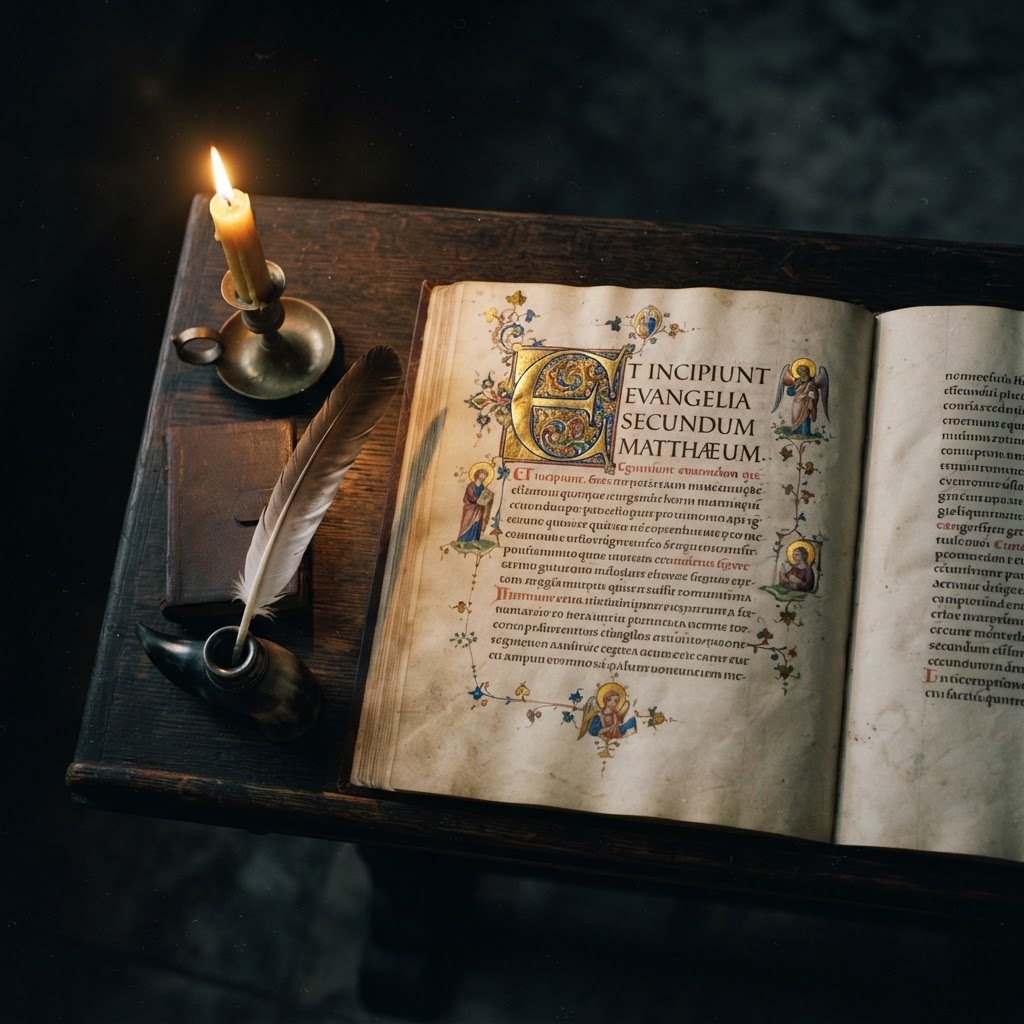
Drawing from Their Charisms
“To each is given the manifestation of the Spirit for the common good.”
Each saint received specific charisms of the Spirit — prophecy, wisdom, counsel, healing, writing, mystic vision, intercession — not for themselves alone but for the building up of the whole Body. Those charisms did not die with the saint; they remain a living inheritance the Church may draw upon. The saint's charism becomes a stream we are invited to drink from. “Remember your leaders, those who spoke to you the word of God; consider the outcome of their life, and imitate their faith” (Heb 13:7).
Daily Practice
Study the charism of a saint. Read their writings slowly and prayerfully. Ask the Holy Spirit to share with you something of that same gift, that the grace given to them may flow into your life and your age.
 III
III1 Corinthians 11:1 · 2 Timothy 4:7
Following Their Example
“I have fought the good fight, I have finished the race, I have kept the faith.”
The saints are the Gospel made flesh in a particular time and place. Their example is not a monument to admire but a path to walk: what fidelity looks like under pressure, what obedience looks like at cost, what love looks like unto death. They ran the race, they finished it, they received the prize, and they now dwell in the presence of the Most High — and from there they cheer us toward the same finish. “Imitate me as I imitate Christ” (1 Cor 11:1).
Daily Practice
Read the hagiography — the raw, unsanitised life. Let their life interpret yours. Imitate, do not idolise: they show what a human life fully yielded to Christ looks like, and they inspire you to pursue the same.
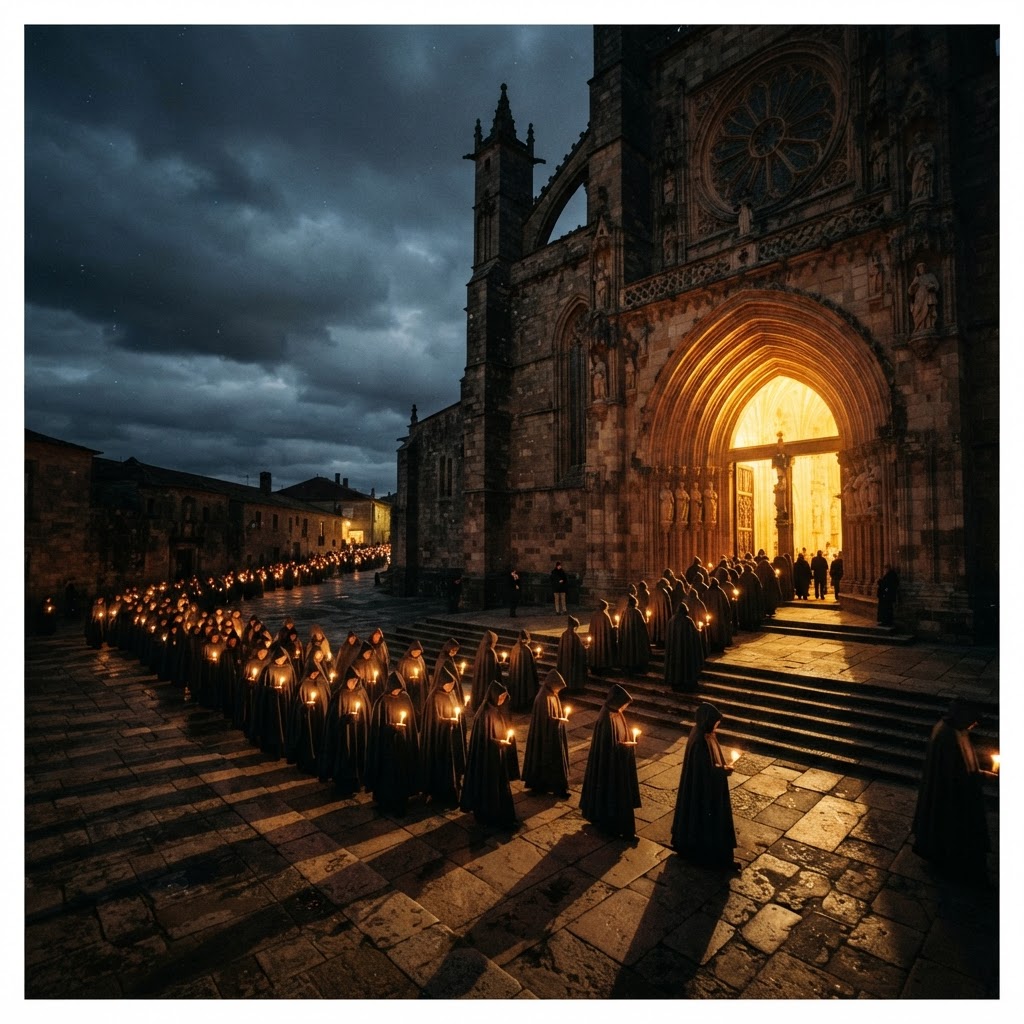
"We are surrounded by so great a cloud of witnesses — therefore let us run with endurance the race set before us."Hebrews 12:1
What the Church Teaches
The Doctrinal Foundation
The Communion of Saints
The saints are alive in Christ, actively interceding for the Church on earth. Their witness is not merely historical — it is present and ongoing.
Canonisation as Certainty
When the Church canonises, she declares infallibly that this person is in heaven and can be venerated. The prophetic saints are not proposals — they are certitudes.
The Cloud of Witnesses
"We are surrounded by so great a cloud of witnesses." The saints watch. They pray. They cheer. Their lives are our formation manual and their intercession our shield.
Spiritual Friendship with the Saints
The Church encourages Catholics to cultivate personal devotion to specific saints — not mere admiration but living relationship with a heavenly friend and advocate.
Patron Saints
The tradition of patron saints is not folk superstition — it is an expression of the Church's faith in the Communion of Saints as a practical, accessible spiritual reality.
I have fought the good fight, I have finished the race, I have kept the faith.
2 Timothy 4:7
Featured Witnesses
Prophets Across the Ages
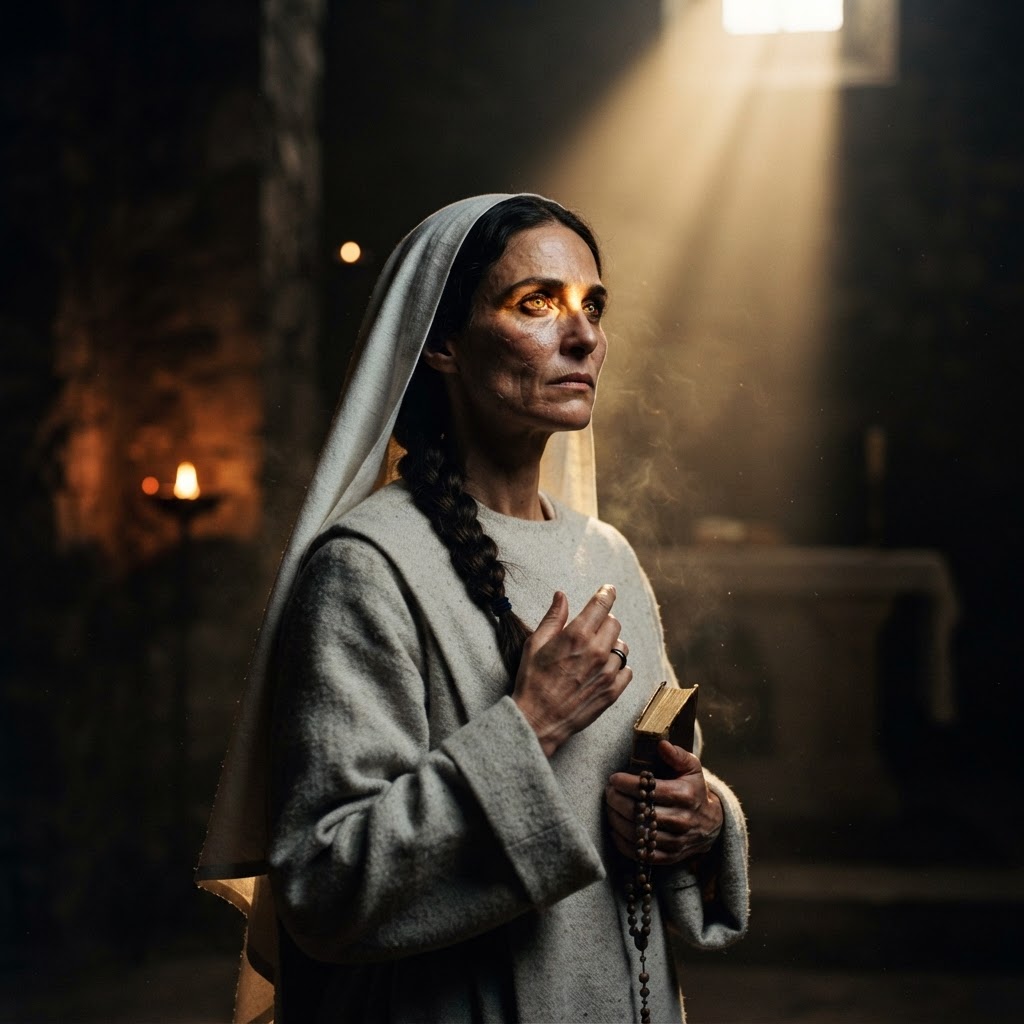
St. Catherine of Siena
"Be who God meant you to be and you will set the world on fire."
Wrote boldly to popes, cardinals, and kings, demanding reform — and was obeyed.
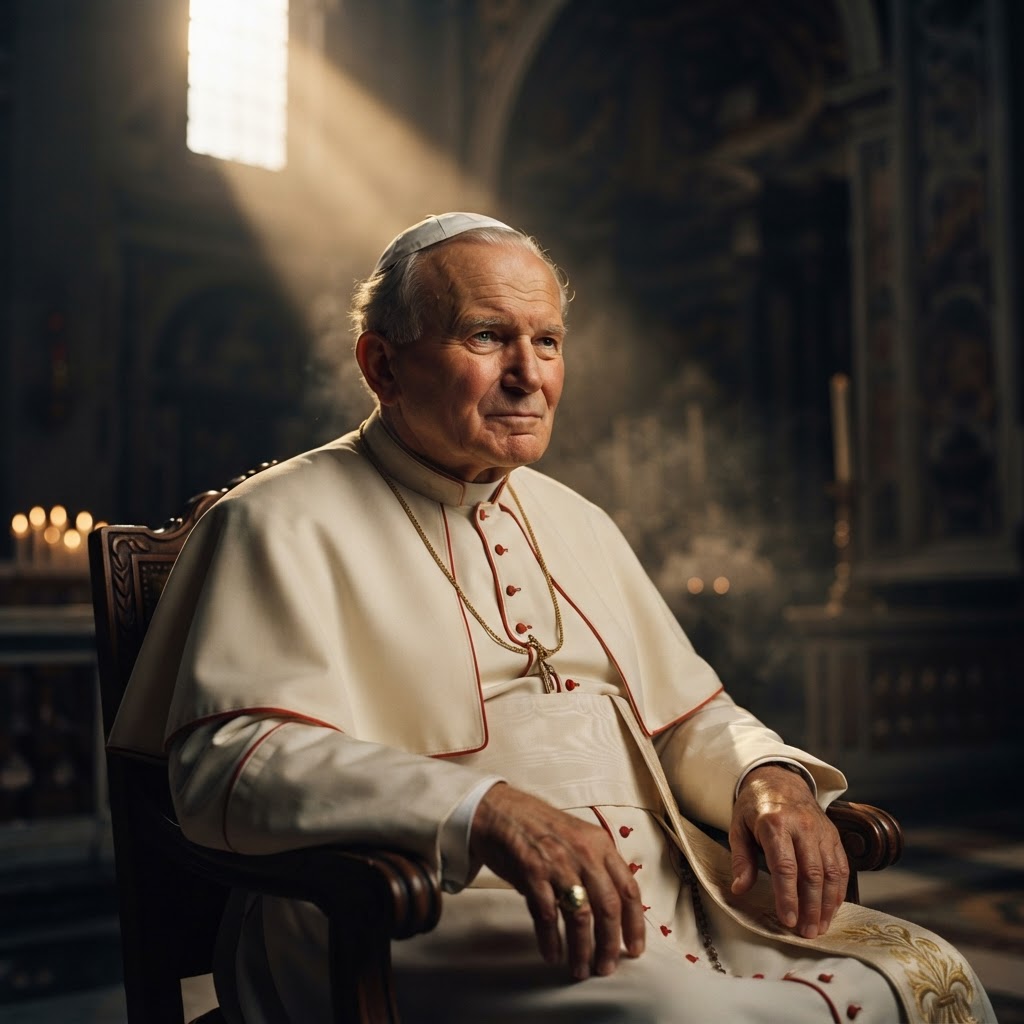
St. John Paul II
"Do not be afraid!"
Stood against communism and relativism alike, calling the Church to total renewal.
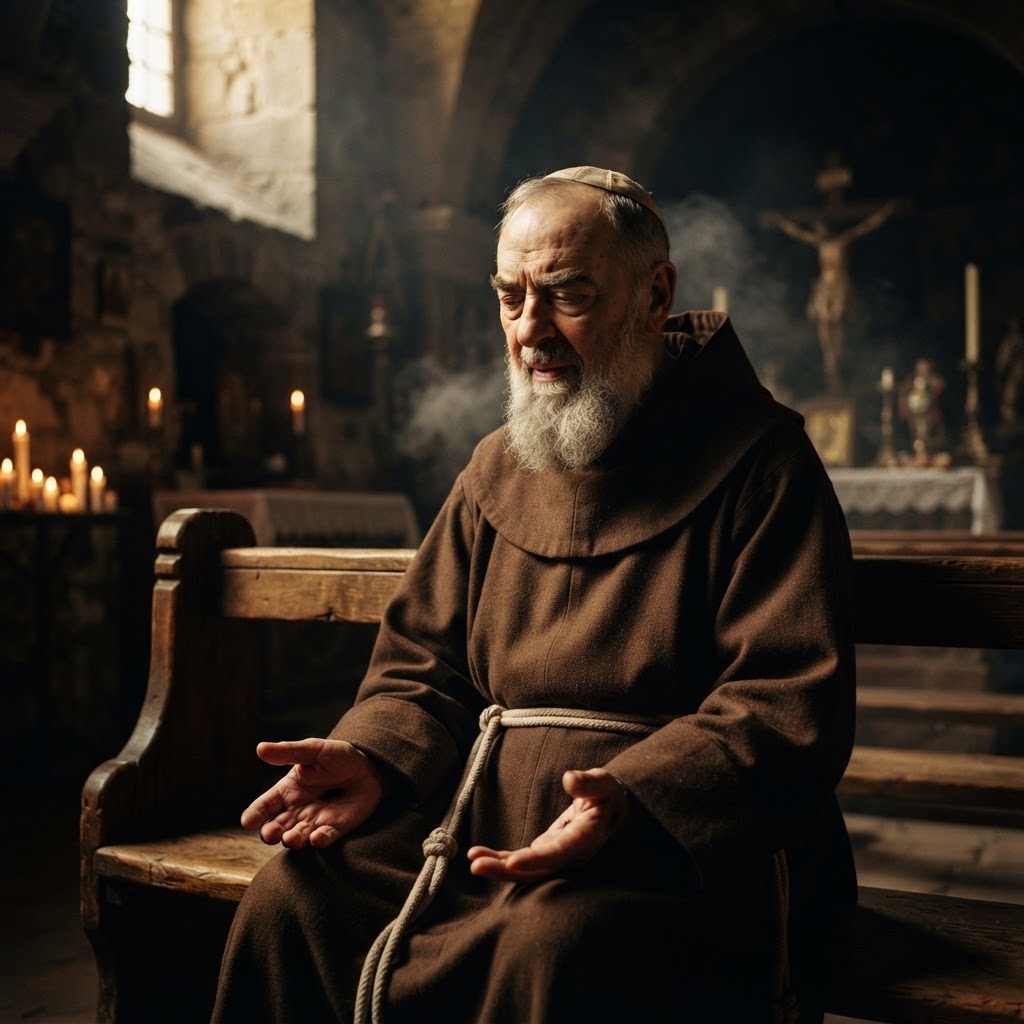
St. Padre Pio
"Pray, hope, and don't worry."
Bore the wounds of Christ in his flesh for fifty years — an incarnate sign for a disbelieving age.
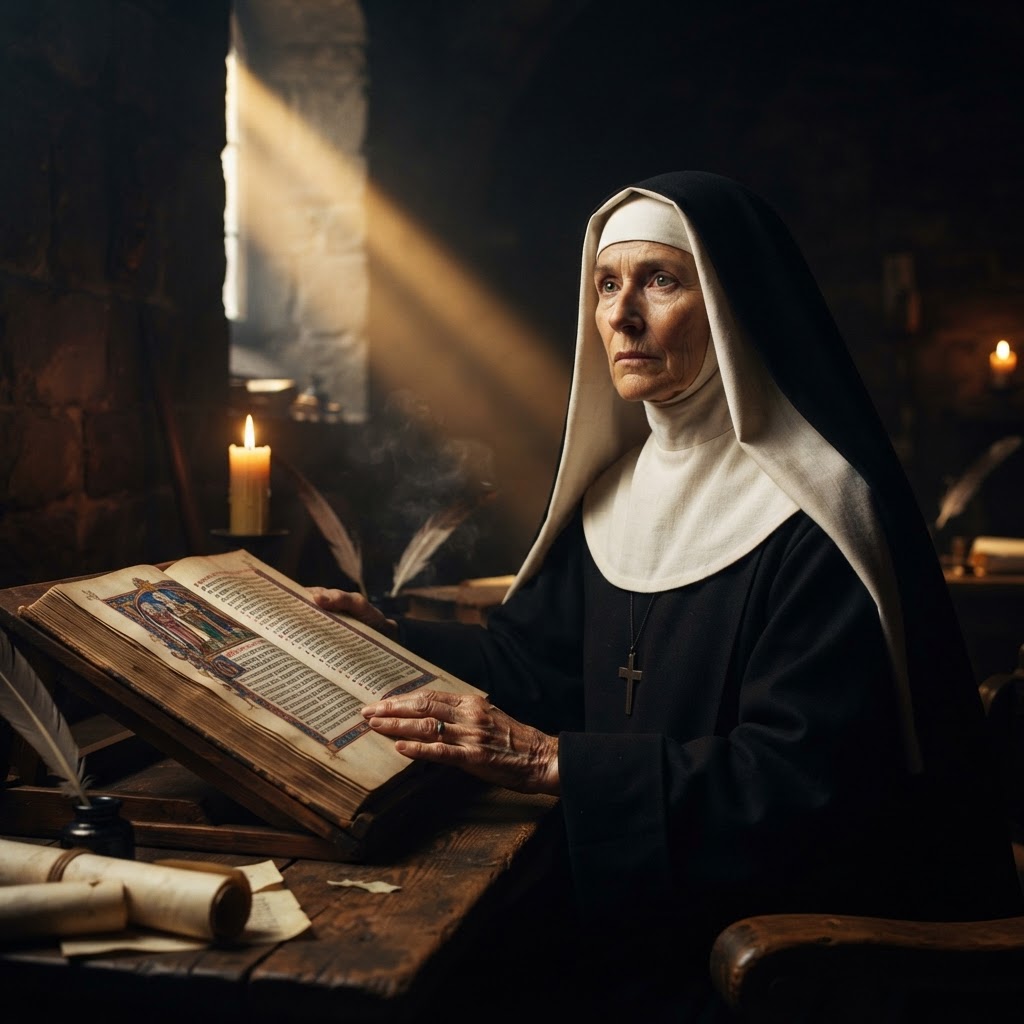
St. Hildegard of Bingen
"I am the fiery life of the essence of God."
Visions, music, science, and fearless rebukes of ecclesiastical corruption united in one prophetic life.
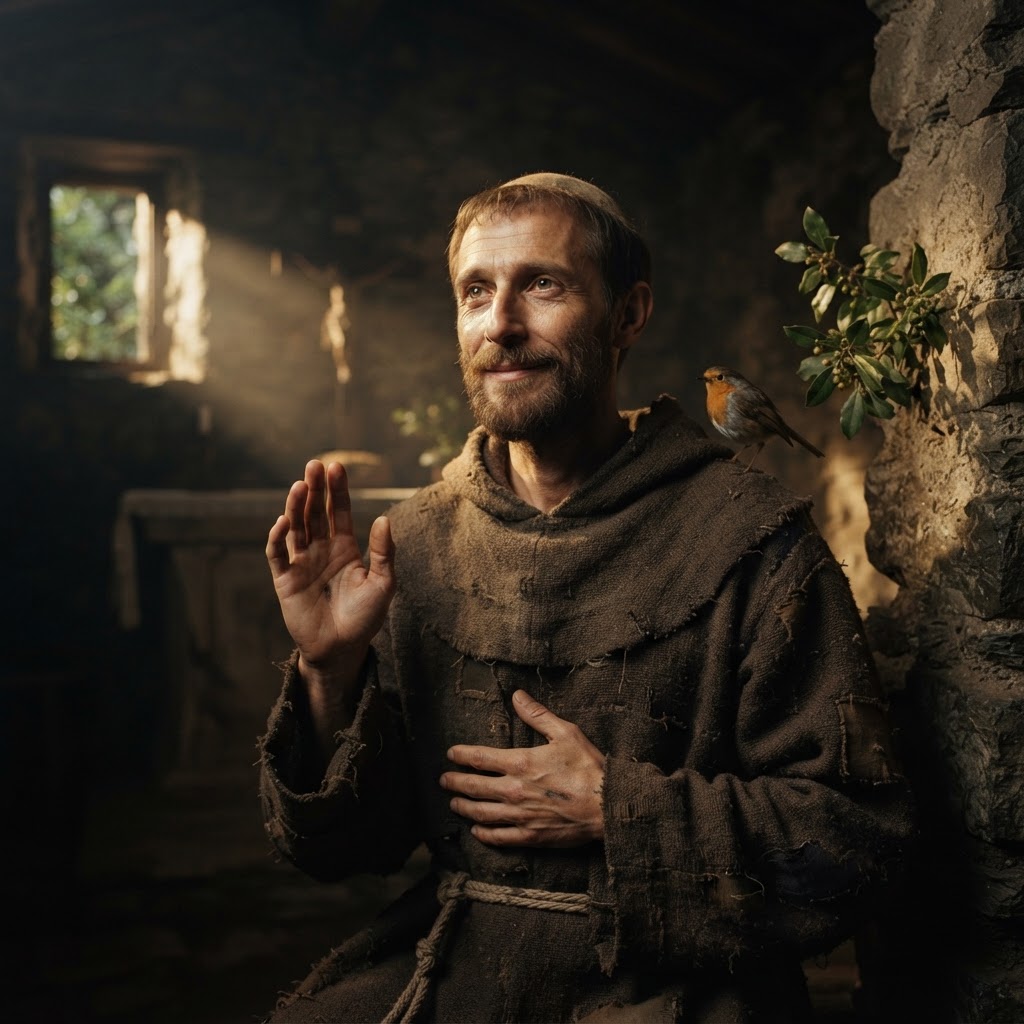
St. Francis of Assisi
"It is not fitting that a servant of God should give himself to sadness, but always be cheerful and joyful."
Radical poverty as prophetic sign against ecclesial worldliness — a rebuke still sharp today.
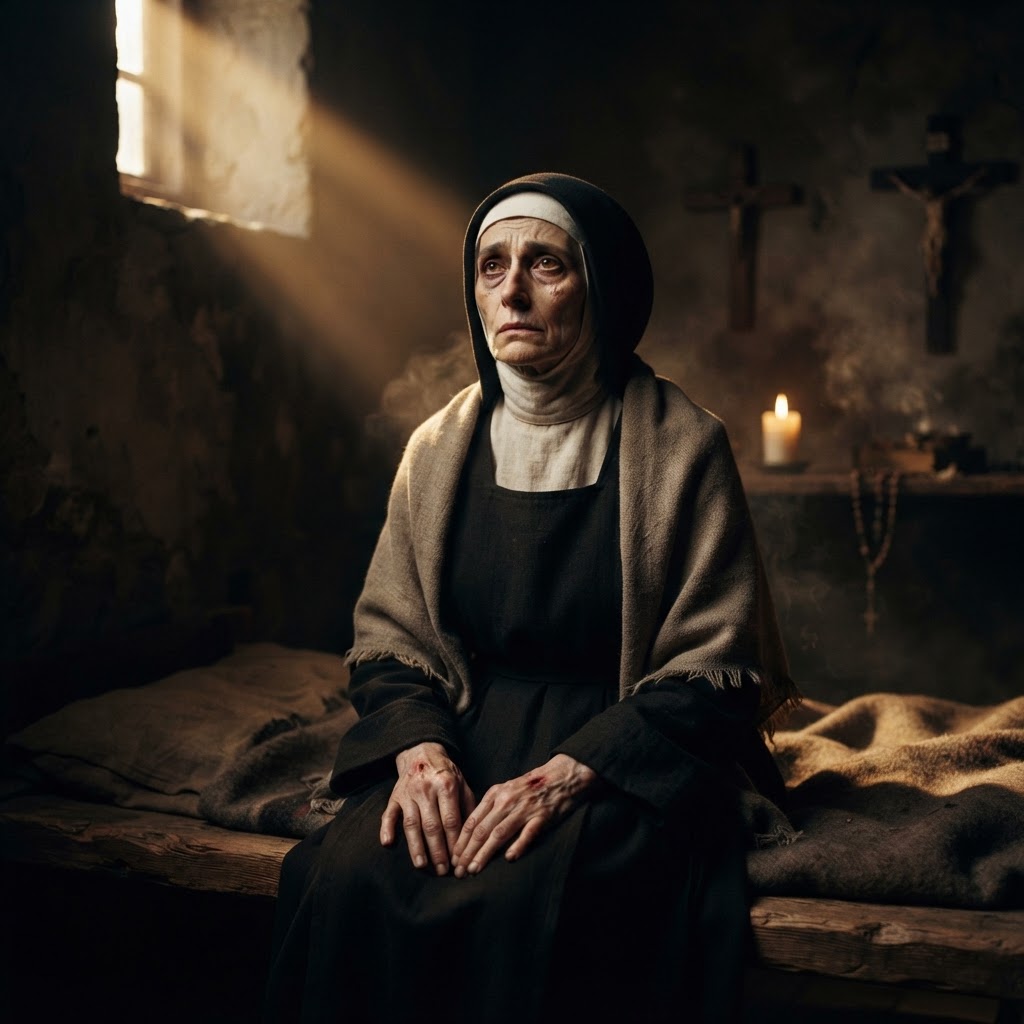
Bl. Anne Catherine Emmerich
"I see all things in God."
Detailed visions of the Passion that shaped two centuries of Catholic devotion.
Formation Path · Be Faithful
How to Grow in This Pillar
Six disciplines that build living friendship with the Cloud of Witnesses — invoking their intercession, drawing from their charisms, and walking their example.
Read the Hagiography
Read at least one full biography of a saint each year. Not sanitised — the complete, raw, historical account that shows both the struggle and the fire.
Choose a Patron
Ask God for a patron saint for this season of your life. Pray their intercession daily. Study their writings. Let their life interpret yours.
Study the Doctors
The Doctors of the Church are the Church's greatest theological formation resource. Begin with Augustine, Aquinas, John of the Cross, and Thérèse of Lisieux.
Lectio with Saints' Writings
Read their words slowly, prayerfully. The Confessions, The Interior Castle, The Dark Night of the Soul — these are not merely literature. They are formation.
Pray the Litany of Saints
Regular use of the Litany connects you consciously to the Cloud of Witnesses. It is an act of faith in the Communion of Saints, not merely devotional sentiment.
Imitate, Don't Idolise
The saints are models, not objects of worship. Their purpose is to show what a human life fully yielded to Christ looks like — and to inspire you to pursue the same.
Related Prophetic Issues
The Saints and the Crisis of Our Age
The Five Voices of the Church (APEST)
Apostle, Prophet, Evangelist, Shepherd, Teacher — the five-fold mission architecture the Church must recover.
Spiritual Warfare
The saints were warriors. Their lives illuminate the tactics of the enemy and the weapons of the Spirit.
Signs & Wonders
Stigmata, incorruptibles, and miraculous healings — the saints are the Church's greatest sign-bearers.
Neo-Communism
John Paul II's prophetic witness against totalitarianism speaks directly into our cultural moment.
Moral Clarity
Thomas More, John Fisher, Maximilian Kolbe — martyrs for truth in an age that hated clarity.
Daily Reflection
"The saints were not afraid of the world because they were more afraid of offending God. They lived as if God were watching — because He was. And because of this, they became the most free people who ever walked the earth."
Metanoia Faith Reflection
Every saint began exactly where you are — ordinary, wounded, afraid, uncertain. The difference is not talent or circumstance. The difference is surrender. They gave God everything, and He made them eternal — and He has set them now to pray for you. That same offer stands. It stands for you. It stands today.
All Saints ProfilesWalk in This Pillar
Set the World on Fire
"Be who God meant you to be and you will set the world on fire." Catherine of Siena said it to her disciples, and from heaven she says it to you now. The world does not need more successful people. It needs more saints. The Church does not need more managers — she needs more prophets. Invoke the saints. Draw from their charisms. Follow their example. And become yourself the next voice in that great cloud of witnesses.