“What fellowship has light with darkness?” — 2 Corinthians 6:14
Humanum
Genus.
The Papal Condemnation of Freemasonry — from 1738 to today.
For 286 years the Church has spoken with one voice: a Catholic may not belong to Freemasonry. This is a prophetic study guide to the documents that closed the door — and to the encyclical of Pope Leo XIII that named the reason.
By Justin Poor - Catholic Apologist, drawing from Sacred Tradition, the Fathers, Doctors, and the Full Magisterium.
One Question · Three Centuries · One Answer
A door the Church
has not ceased to close.
For nearly three centuries the Catholic Church has spoken with one voice on a single question: a Catholic may not belong to Freemasonry. The judgment did not begin in suspicion and end in silence — it was issued, reaffirmed, deepened, and in our own century reaffirmed again.
From the first ban in 1738 to the 2023 Doctrinal Note approved by Pope Francis, the popes and the Roman congregations have traced the same line: the principles of Masonic initiation — naturalism, religious indifferentism, the secret oath, the plot against the social order — are irreconcilable with Catholic faith and life.
The most comprehensive of the condemnations is Pope Leo XIII's 1884 encyclical Humanum genus. This is a prophetic study guide to the whole trajectory — and to the door it still keeps closed.
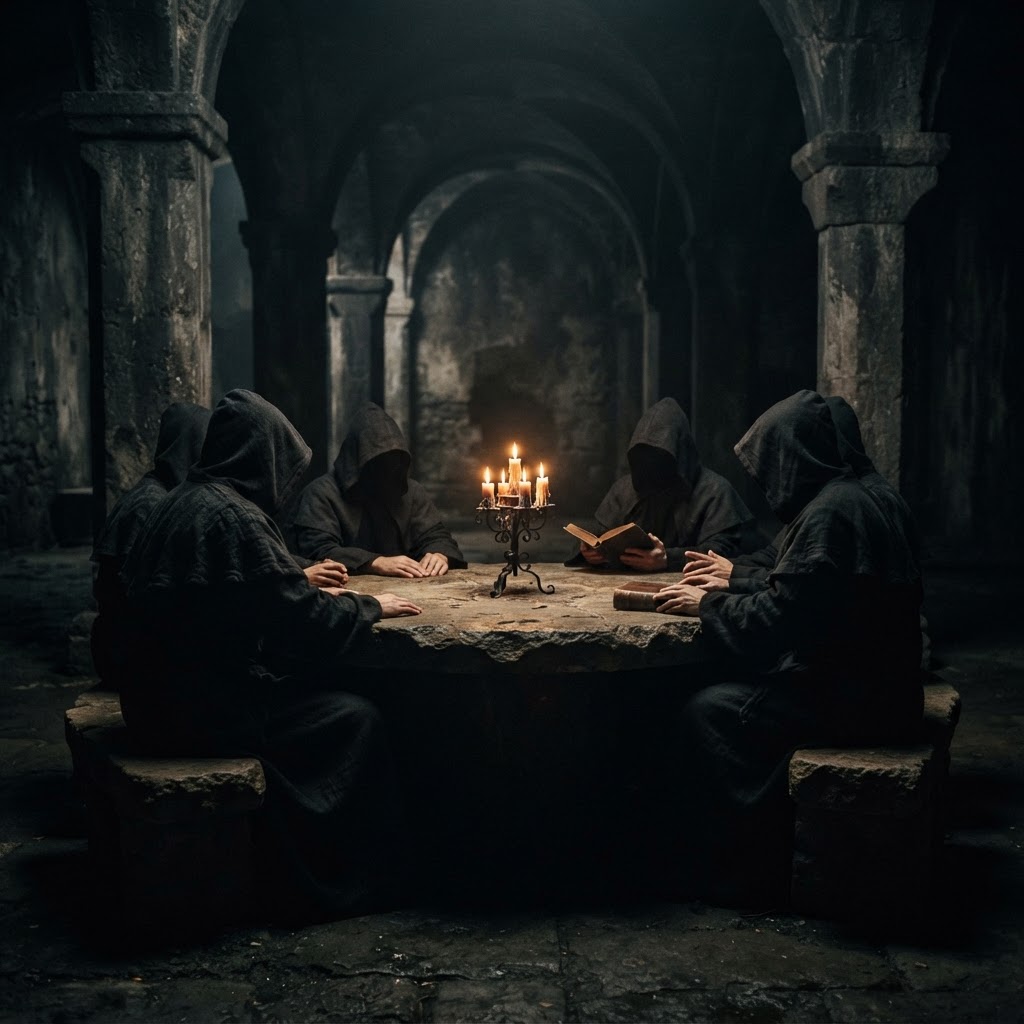
The race of men is separated into two diverse and opposite cities.
Humanum genus · The Two Cities
What the Issue Is
Four lies the age tells — and the truth the Church keeps.
The world has taught Catholics to soften the question. The popes have not:
It Is Not a Charitable Fraternity
Whatever the lodge's public philanthropy, the Church's judgment concerns its initiation: the oath-bound system of naturalism and indifferentism enacted in ritual, not its dinners or its charities.
Naturalism Is the Heart of It
Human reason and nature alone — without revelation, without the Church's authority — become the measure of all things. Leo XIII names this the root from which the whole poisonous tree grows.
The 1983 Code Did Not Lift the Ban
The revision of canon law dropped the explicit name; some read silence as permission. In 1983 the CDF, under Cardinal Ratzinger, closed that reading: active membership remains a grave sin barring Holy Communion.
The Prohibition Remains Today
In 2023 the Dicastery for the Doctrine of the Faith, approved by Pope Francis, ruled the ban 'completely active and unchanged.' The succession of judgments has not broken.
The Succession of Judgments
The papal documents against Freemasonry.
Five judgments across 286 years — one unbroken voice.
In eminenti apostolatus
Pope Clement XII
The first papal ban. Catholics joining Masonic associations incur excommunication latae sententiae. The root: the sect's secret oath, the binding of the conscience to an unknown end, the danger to Church and state.
Providas Romanorum
Pope Benedict XIV
Confirms and reinforces Clement XII. Explains that the lodge's philanthropic appearance cannot make safe what its principles corrupt. The condemnation holds for all future generations.
Humanum genus
Pope Leo XIII
The definitive encyclical. Names Freemasonry the promoter of naturalism. Divides the human race into the two cities — of God and of Satan — and traces the whole plot against Church and state.
Declaration on Masonic Associations
CDF · Cardinal Ratzinger
After the 1983 Code omitted Masonry by name, the CDF clarifies that the Church's negative judgment remains. Catholics who enroll are in a state of grave sin and may not receive Holy Communion.
Doctrinal Note
DDF · approved by Pope Francis
Reaffirms the prohibition as 'completely active and unchanged.' The Roman congregation answers a pastoral query and closes, once more, the door that confusion had tried to open.
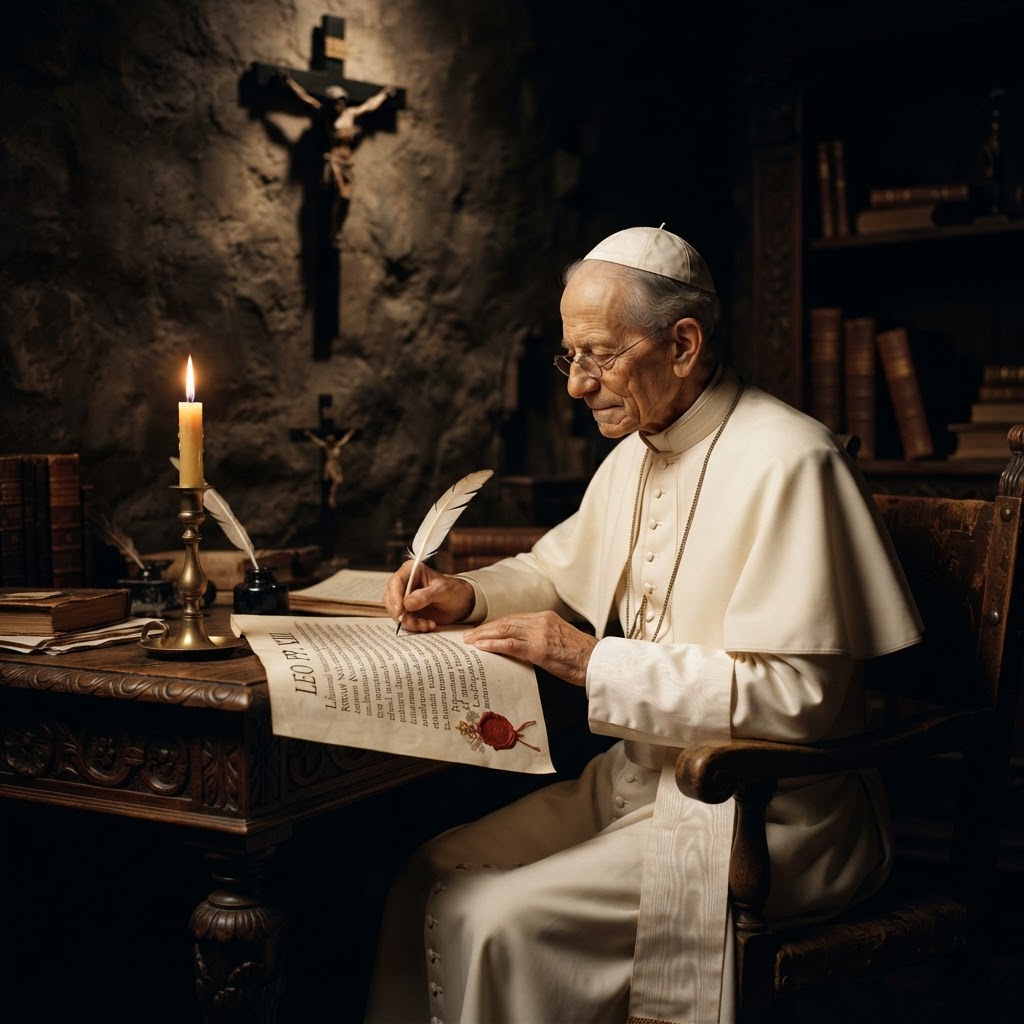
The race of men is separated into two cities: one of God, one of Satan.
Humanum genus · §1
Summary of Humanum genus
The six points of Humanum genus.
The Two Cities
Leo XIII frames all of history as two cities — the city of God and the city of Satan. Freemasonry, in its principles, belongs to and promotes the second. The judgment is not a quarrel over symbols; it is the ancient enmity between light and darkness (2 Cor 6:14).
Naturalism at the Root
The lodge's root doctrine is naturalism: nature and human reason alone, without revelation or the Church's authority. From this root grows indifferentism (every religion equal), the secularization of public life, and the dethroning of Christ the King.
The Secret Oath & the Conscience
Masonic initiation binds the conscience by secret oaths to ends not fully disclosed. The Church judges this an enslavement of conscience, which Christ alone may bind — and a violation of the Christian's duty of open confession before men.
The Plot Against the Social Order
Across centuries Freemasonry has worked for the secularization of education, marriage, and public authority; for the dissolution of the Church's voice in the public square. Humanum genus names the design — and the design has not changed.
Irreconcilable with the Faith
Membership is not a private matter. To belong is to belong to an association whose very principles set it against the Church. The popes' judgment is doctrinal, not disciplinary — a Catholic cannot reconcile the two.
The Ban Remains
The 1983 CDF Declaration and the 2023 Doctrinal Note close the question for our generation. The faithful who enroll are in a state of grave sin and may not receive Holy Communion. The prohibition has not lapsed; it has been reaffirmed.
The Exhortation
“Speak the truth — the door is love.”
The Church has not wavered. From Clement XII's first ban in 1738 to Pope Francis's 2023 reaffirmation, the judgment has rung with a single voice across three centuries: a Catholic may not belong to Freemasonry.
The reason is not private prejudice. It is doctrine. The principles of the lodge — naturalism, indifferentism, the secret oath, the plot against the social reign of Christ — are irreconcilable with the Catholic faith. To belong is to belong to an association set against the Church in her very foundations.
The door is closed not to condemn, but to protect the soul. And the Church's pastors — many of whom have not taught this for two generations — must open their mouths again.
The closed door is not a shunning — it is a signpost home. The same Church that forbids the lodge stands ready, in the confessional, to receive the one who leaves it.
Read the Source
Humanum genus
Pope Leo XIII's 1884 encyclical on Freemasonry — the definitive magisterial statement on the lodge's naturalist principles and their irreconcilability with the Catholic faith. The official English translation from the Holy See.
Open on the Vatican Website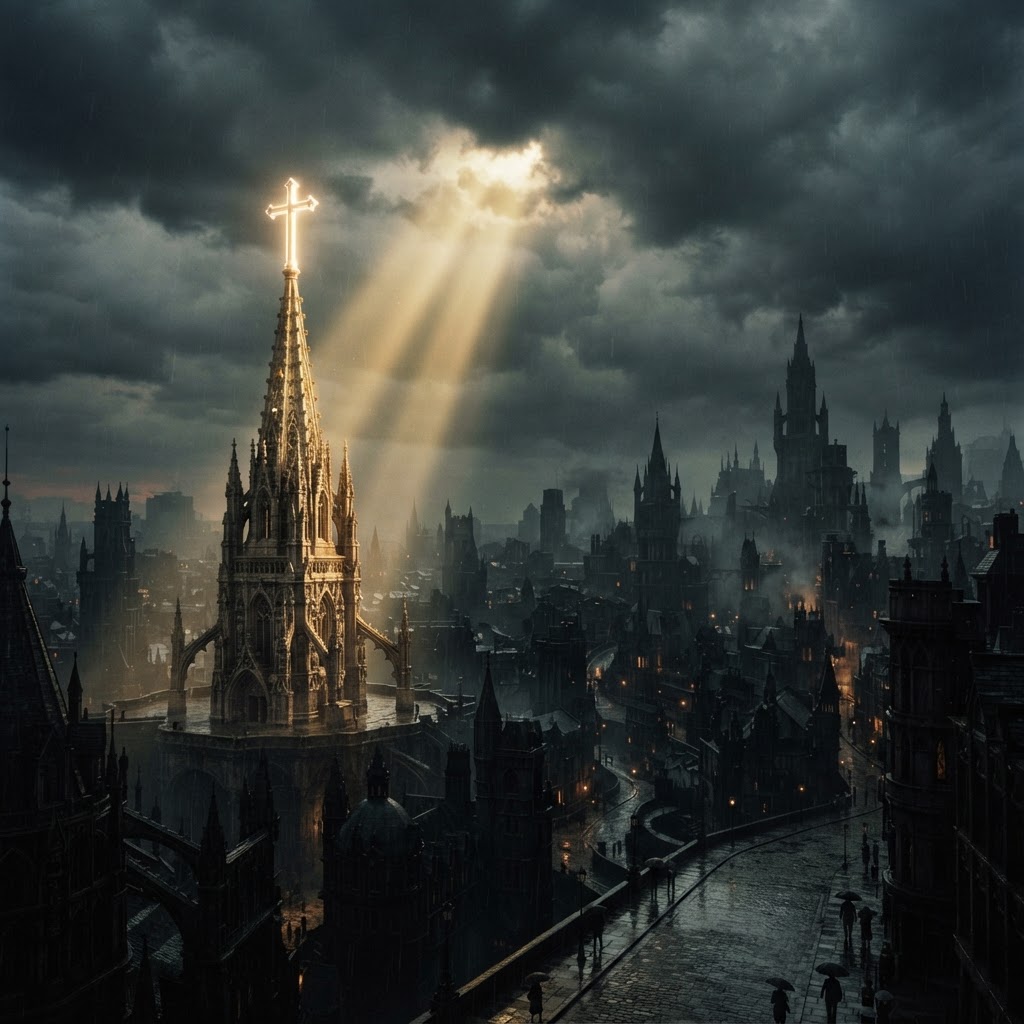
One city strives for truth and light; the other for darkness and error.
Humanum genus · §1
Prophetic Diagnosis
Why this document
is prophetic today.
Confusion reigns where the teaching was dropped. After the 1983 Code omitted the explicit name, many Catholics — and not a few priests — assumed the prohibition had been relaxed. The 1983 CDF Declaration corrected the misunderstanding within months. The 2023 Note corrected it again. The correction has had to be repeated because the silence of pulpits kept reopening the wound.
Freemasonry has not disappeared. It continues to recruit among the professional classes, in politics, and in the academy — and, increasingly, through front organizations and 'gentler' lodges that mask the same naturalist core. The softening of the presentation has not changed the substance, and the Church's judgment addresses the substance.
Meanwhile the fruits Leo XIII named in 1884 — the secularization of education, the dissolution of marriage, the silencing of the Church in the public square — are now the air we breathe. Humanum genus reads like a diagnosis written yesterday. The door the popes keep closed is the door that protects the city of God.
The question has not gone away. The 2023 reaffirmation is the most recent magisterial word Catholics have. The Church's pastors must teach what the popes have not ceased to say — and a new generation must hear what the last was never told.
The sect, advancing in audacity, has become the enemy of the Church and of Christ.
Humanum genus · The Design Against the Church
Reflect · Prayer Study
Refusing the City of Darkness
Three arenas where the Church's condemnation of Freemasonry must be lived: in the soul that may be bound, in the home that must guard against it, and in the parish and public square that has forgotten the teaching.
Personal Metanoia
Practices
- If you are enrolled in any Masonic association, resign — and go to Confession. Restitution of conscience begins with the act the popes have asked of every Catholic for nearly three centuries.
- Examine the subtle naturalism of your own life: where have you let nature, reason, and convenience become the measure of right and wrong — without revelation or the authority of the Church?
- Recover the confession of Christ as King — not only in private devotion but over every public square of your life: your work, your vote, your home, your friendships.
- Refuse the spirit of the secret oath: live as a child of light, letting your 'yes' be yes and your disclosure be open. The creed belongs to no lodge.
Reflection Questions
- Are you in any association — Masonic or a front — whose principles set it against the Church?
- Where has your conscience been bound by oaths or loyalties other than Christ's?
- Which of Leo XIII's 'fruits' of naturalism have you accepted as normal?
The Domestic Church
Practices
- Teach your children to know the symbol of the cross above the symbol of any secret society. The first guard against the lodge is a home that knows both the faith and its enemies.
- Refuse invitations without inquiry — the lodge comes through friendship; teach your household to ask what an association binds before it binds them.
- Form the household against indifferentism: not every religion is equal, not every worship is offered to the same God, and the lodge's great lie is that they are.
- When a beloved member has joined, love them enough to tell the truth — and stay near enough to bring them home.
Reflection Questions
- Does our home know what Freemasonry is and why the Church forbids it?
- Have we let indifferentism settle unquestioned at our table?
- Is there a member of our family we must speak to in love — and have we?
The Parish & the Public Square
Practices
- Preach the prohibition again. A generation has grown without hearing it; the pulpit must recover the courage the popes have not relinquished.
- Instruct inquirers patiently. Many who join do so in ignorance, drawn by fraternity and philanthropy; the pastor's task is formation, not merely denunciation, that the soul may hear the door and turn.
- Refuse the styling of the age that treats the ban as a medieval embarrassment. The 2023 Note is the most recent magisterial word — and it is binding now.
- Catechize against naturalism itself — the root. Name the fruit in the public square (the secularized school, the dissolved marriage, the silenced cross) as what Leo XIII prophesied.
Reflection Questions
- Has your parish ever named Freemasonry from the ambo?
- Are your catechumens taught the five documents — or only the topical?
- Which of the fruits of naturalism has your parish learned to live with?
A Prayer Against the City of Darkness
Almighty and everlasting God, whose Son is the Way, the Truth, and the Life — keep us from the city that is built in His absence. Deliver us from every oath that binds the conscience to an end not His, and from the naturalism that would make Your Revelation a stranger in our land. Restore in our pastors the courage of three centuries of popes, that they may speak the truth in love and bring home the lost. Through Christ our King. Amen.
After Humanum genus
It is Our duty to vindicate the rights of truth and of religion.
Humanum genus · §10
Common Questions
Frequently Asked
Q: Is Freemasonry really still forbidden for Catholics?
A: Yes. The 1983 CDF Declaration and the 2023 Doctrinal Note — approved by Pope Francis — reaffirm that the prohibition remains 'completely active and unchanged.' Catholics who enroll in Masonic associations are in a state of grave sin and may not receive Holy Communion.
Q: The 1983 Code of Canon Law dropped the explicit mention of Freemasonry — didn't that relax the ban?
A: No. The omission of the name was not a removal of the judgment. The CDF, under Cardinal Ratzinger, clarified in 1983 that the Church's negative judgment 'remains unchanged' because Masonic principles are 'irreconcilable with the doctrine of the Church.'
Q: What about the charity and fraternity the lodge promotes?
A: The Church's judgment concerns not the lodge's philanthropy but its initiation and principles — the secret oath, naturalism, religious indifferentism, and the design against the social reign of Christ. Whatever good a lodge does outwardly, the Catholic cannot belong to an association whose principles the popes have judged irreconcilable with the faith.
Q: I joined years ago in ignorance and have barely participated. What should I do?
A: Resign formally, go to Confession, and let your pastor walk with you. The Church receives with mercy the one who turns; the door is closed not to condemn but to mark the path home.
A Prophetic Word
Choose the
City of God.
Christ is King — over the lodge, the public square, and the soul.
That is Metanoia.