
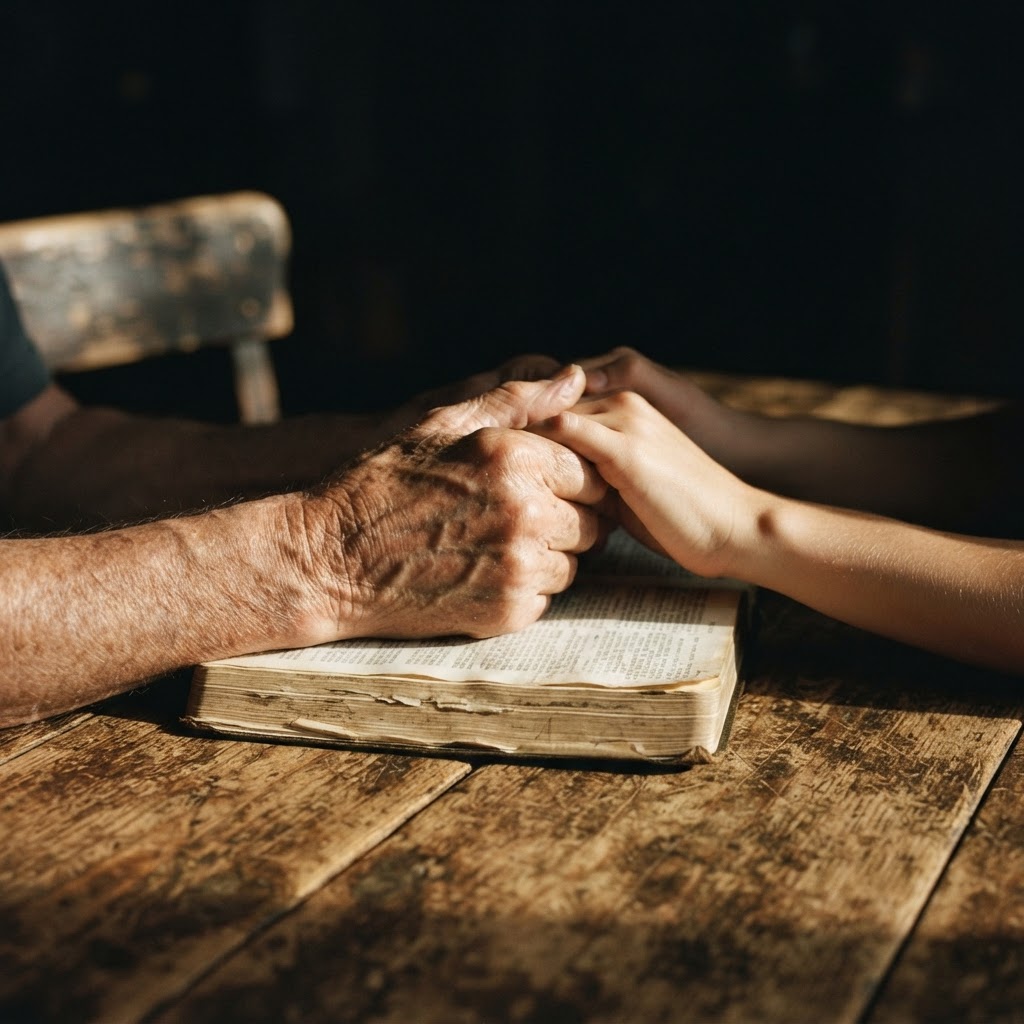
A Unity That Has Been Wounded
Catholics often speak of Church unity as though it were an achievement of good management. The Catechism speaks of it as a gift that has been wounded — and it is rather more honest about the wound than most of us are.
The Church is one, the Catechism teaches, by three bonds that are not merely spiritual: the profession of one faith received from the Apostles, the common celebration of the sacraments, and apostolic succession through Holy Orders, which keeps the family of God in concord (CCC 815). These are visible, checkable things. That is the point of them.
What the Catechism Says About the Wounds
The key paragraph is short and unflinching:
"In this one and only Church of God from its very beginnings there arose certain rifts, which the Apostle strongly censures as damnable. But in subsequent centuries much more serious dissensions appeared and large communities became separated from full communion with the Catholic Church — for which, often enough, men of both sides were to blame." (CCC 817)
The same paragraph names the ruptures that wound the Body of Christ — heresy, apostasy, schism — and says plainly that they "do not occur without human sin". This is the Church making a confession, not a boast. Read it beside the decree of the Second Vatican Council it draws on, and the same candour appears: the Catholic Church accepts the blame that is hers.
The Official Position on Protestant Christians
What follows in the Catechism is the part most often omitted in both Catholic and Protestant retellings:
"All who have been justified by faith in Baptism are incorporated into Christ; they therefore have a right to be called Christians, and with good reason are accepted as brothers in the Lord by the children of the Catholic Church." (CCC 818)
Three consequences follow. First, Protestant baptism is real baptism — it is not repeated when a person enters full communion, because it has already done what baptism does (CCC 1271). Second, those Communities possess "many elements of sanctification and of truth" that belong by right to the Catholic Church and press toward full communion (CCC 819). Third, the Catechism describes the relationship with precision rather than sentiment: those baptised who do not profess the faith in its entirety, or have not preserved communion with the successor of Peter, are joined to the Church "in many ways" (CCC 838).
At the same time the Church will not pretend that a service without a validly ordained priesthood and without the Eucharistic sacrifice is the Mass. Because the communities born of the Reformation have not preserved the sacrament of Orders, the Church speaks of them as ecclesial communities rather than particular Churches in the strict sense (Unitatis Redintegratio 22; Dominus Iesus 17), and full Eucharistic sharing is therefore not possible while full communion in faith and sacramental order is lacking.
Neither Contempt Nor Indifference
Both extremes are excluded by the same paragraphs. Contempt is excluded because the separated brethren are brothers, baptised into the same Christ, and often holier than we are. Indifference is excluded because the Eucharist is what the Church says it is, and a unity that requires no conversion is not the unity Christ prayed for in John 17.
What remains is the narrow path the Church actually walks: prayer for unity, honest study, charity in speech, fidelity to the whole faith, and the willingness to be corrected. The Catechism calls ecumenism a work of grace and a summons to conversion — beginning with ours.
"Lord Jesus, you prayed that all might be one. Heal what sin has torn, and make us instruments of a unity we cannot manufacture ourselves."
Continue with the papacy and Christian unity, the Joint Declaration on Justification, or Ask the Faith.
By Justin Poor - Catholic Apologist, drawing from Sacred Tradition, the Fathers, Doctors, and the Full Magisterium.